



We all know that practicing multiplication isn’t necessarily a student’s idea of a perfect day. Traditional worksheets don’t exactly inspire a love of math in students, and they can be boring when it comes to learning about arrays, multiplication properties, and area. What if, instead of boring arithmetic exercises, we could go to a farm? This is where problem based learning in math (PBL) steps in, and suddenly, “boring math” turns into a project with purpose.
As part of the Farmer Problem Based Learning in math activity, students build animal pens, plan farm layouts, and calculate the resources needed to manage a farm. They also review multiplication. Students gain hands-on experience using this type of approach, and what’s even better? It’s tailored to different skill levels. That is why the experience is beneficial for all students, from those who are struggling with multiplication to those who are mathematical geniuses. Shall we begin?
What are the Key Elements of Successful Project Education?
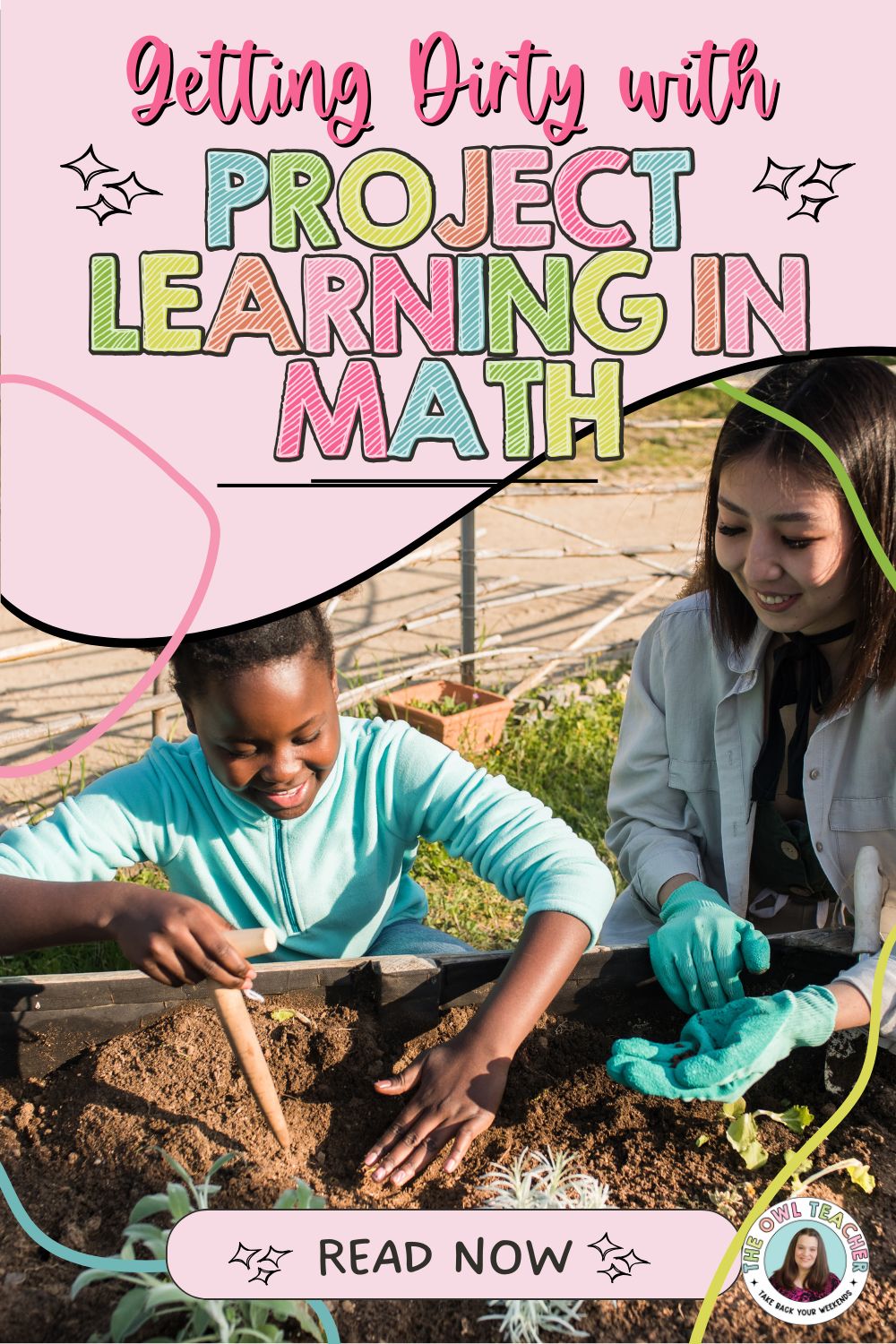
The focus of problem based learning in math is on understanding the bigger picture, as opposed to more basic approaches that emphasize memorization of specific facts and drills. The “why” behind mathematical concepts can be better understood when students actively participate in projects like farm layout planning. What is the purpose of arrays? For what reasons is it useful to decompose numbers? Because they are actively applying what they learn in math to real-world issues, kids no longer view math as abstract.
The goal of problem based learning in math is to engage students in the learning process by providing them with meaningful work to do. A student’s motivation to learn increases when they care. The Farmer PBL takes this motivation up a notch by allowing students to take charge of a farm—imagining and creating pen layouts, organizing spaces, and using multiplication to figure out all the numbers involved.
Solving Multiplication Problems Awaken in Nature’s Sanctuary
Creating simple arrays and having students count things in groups is one of the ways to teach multiplication. They are preparing pens for pigs, hens, and cows as part of the activity. Instead of just counting dots in boxes, they’re arranging space on a farm. While this doesn’t seem like much of a difference, in reality, it’s huge for engagement.
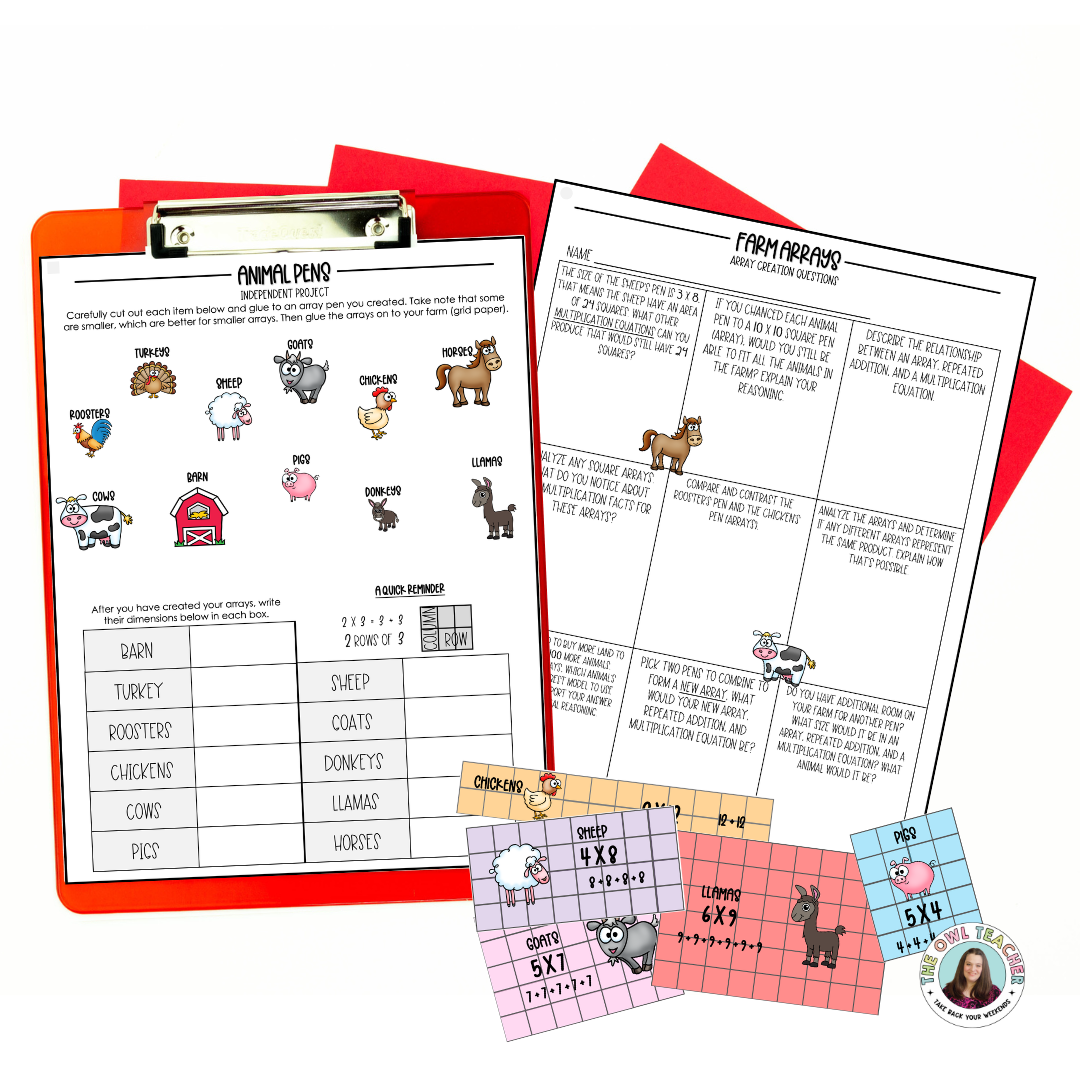
Example Task: Establishing Animal Cage Systems
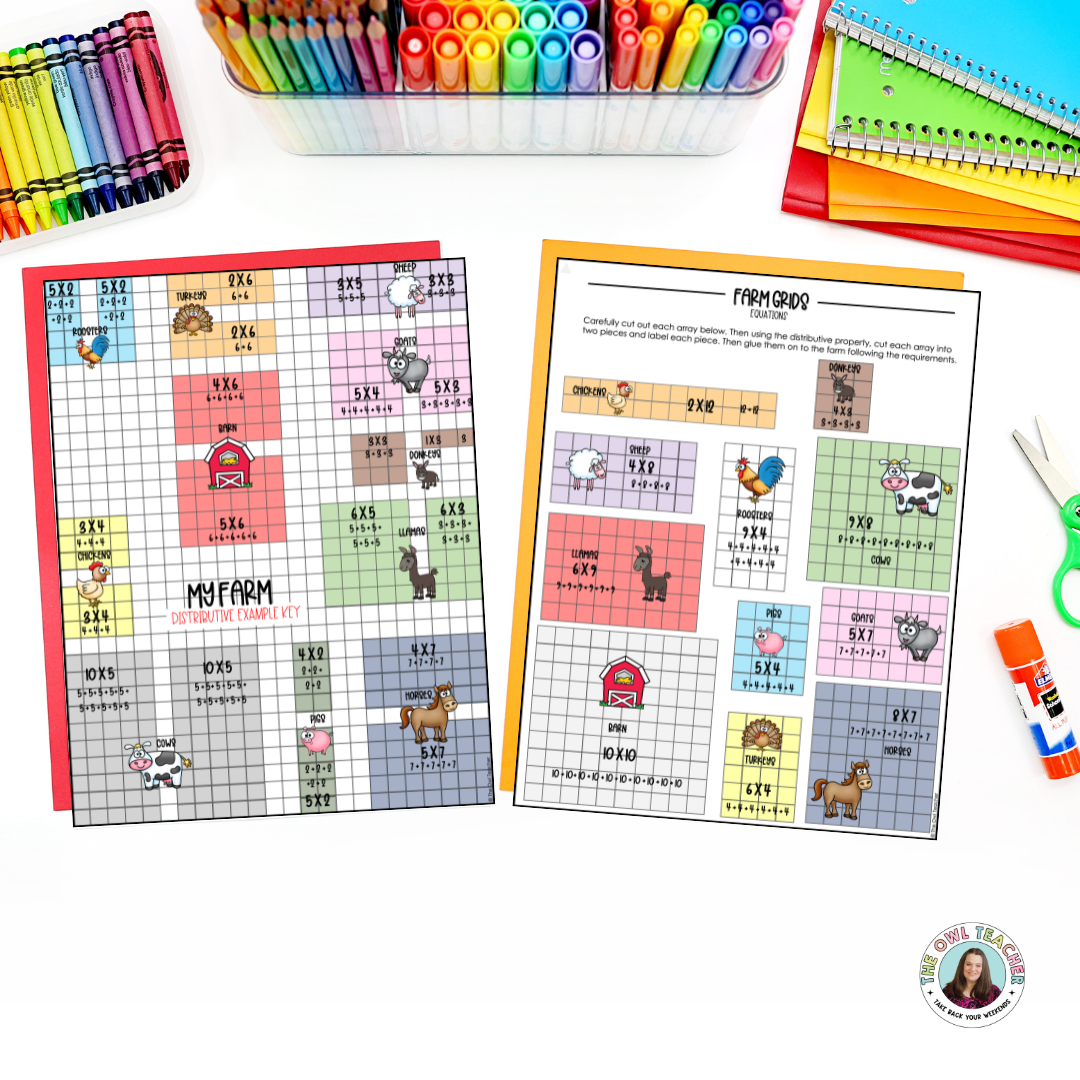
The students divide up the animal pens according to the space requirements of each animal and the number of animals they plan to place in each. To make room for all the cows, students will multiply the required square footage by the number of cows, practicing multiplication as they fill in the pattern. A 4 x 5 array represents four rows of pens, each housing five cows. By using pictures and manipulating items, this activity brings multiplication to life.
Effective Student-Specific Differentiation
Ensuring that all students’ needs are met is a major obstacle for teachers. Differentiation can feel like aiming for a moving target because students don’t all learn at the same pace. With the resource’s flexibility, students of all skill levels can use Farmer PBL to their full potential without feeling overwhelmed or bored.
To help younger or beginning students comprehend the structure of multiplication without making it too complicated. Level A presents fundamental arrays.
Level B moves up to applying the distributive property, which breaks multiplication into manageable parts. This level is excellent for students who are ready to explore how breaking down numbers can simplify multiplication.
Level C is perfect for students who enjoy challenging themselves with increasingly complex problems, as it encourages them to use reasoning, multiplication, and division to make the farm run within boundaries.
The Role of the Farm and Its Advantages
Mathematics is common on farms. A farm is a great place to do a fun math project because you can plan supplies, manage space, and make sure each animal has enough room.
Setting up their farm gives students a taste of what it’s like to be an adult. They have a sense of power over their education and a goal beyond just “getting the right answer” as an outcome. They’re developing their logic and self-reliance while doing more than simply math; they’re taking charge of all of it.
Exploring the Distributive Property for More Depth
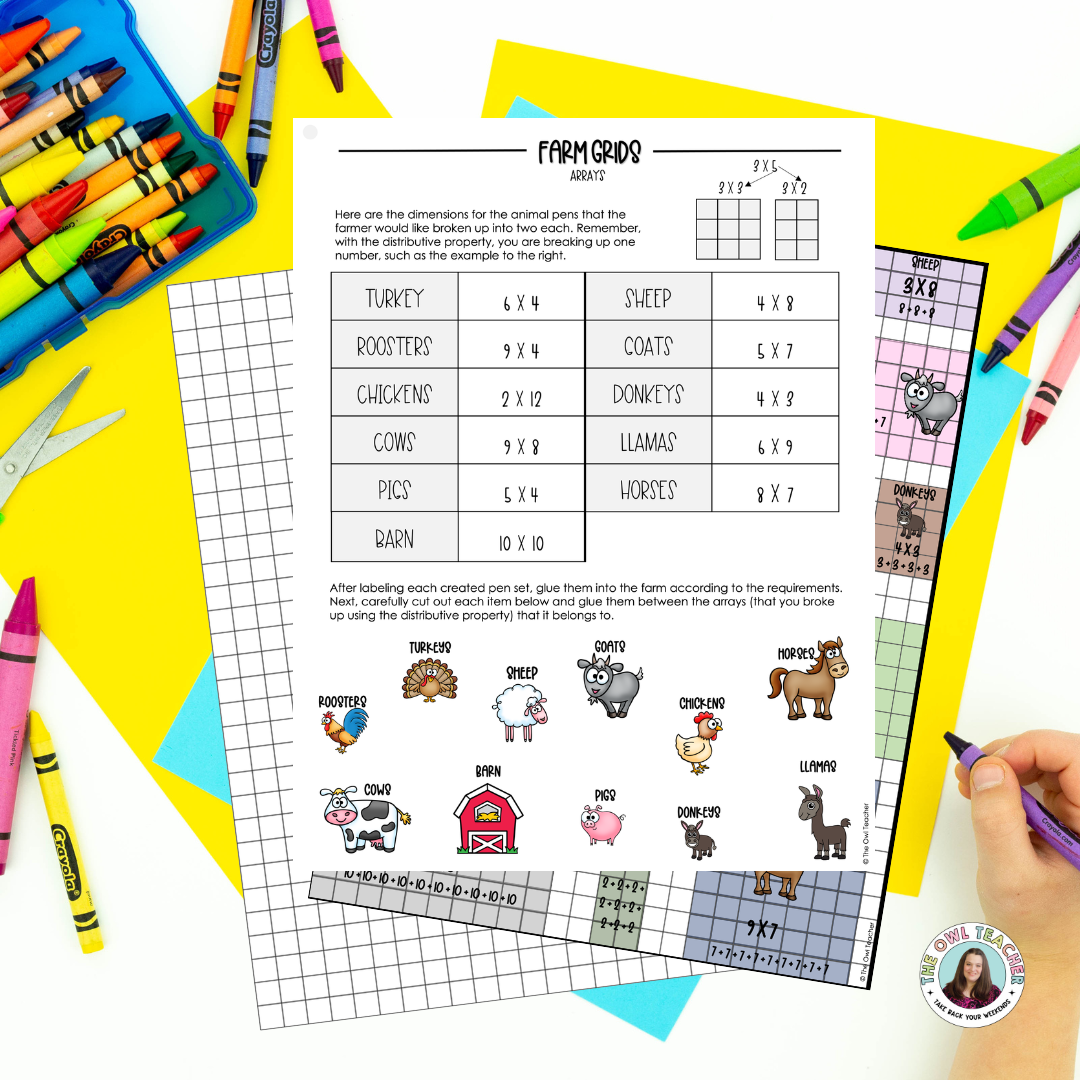
After students have mastered the fundamentals of arrays, they can go on to more advanced topics like the distributive property. Even though this is a complex idea, the Farmer PBL makes it easy to understand. Students are not just taught how to “distribute” numbers; instead, they are given the chance to put these ideas into practice.
Activity Example: Destruction of Huge Areas
For example, suppose a class has 24 hens and wants to figure out where to put their pen. Instead of counting each chicken separately, kids learn to use the distributive property to partition the area into chunks, such as four groups of six or three groups of eight. With this activity, students will get a better sense of how to break multiplication down into more straightforward steps.
Students may understand the reasoning behind the distributive property without being slowed down by the verbiage when they use this activity in a visual, hands-on way. They suddenly realize that the distributive property is not just a formula that can be found in a textbook; instead, it is an approach that they can see in real life.
Building a Bridge Between Division and Multiplication via Space Planning
The Farmer PBL demonstrates to students how connected multiplication and division are, two concepts that are too frequently taught separately. Students use both math operations (multiplication and division) and geometry (space layout and division) when they create their farm. This establishes an apparent link between the two ideas.
Task Example: Dividing Up Animal Cages
Say a class has set up a pen for twelve pigs, but they need to divide it up into smaller areas. By effectively dividing the space by an established number, they are learning division in a meaningful context. They receive a real-world understanding of multiplication and division as they experiment with different farm layouts, which helps them retain the ideas.
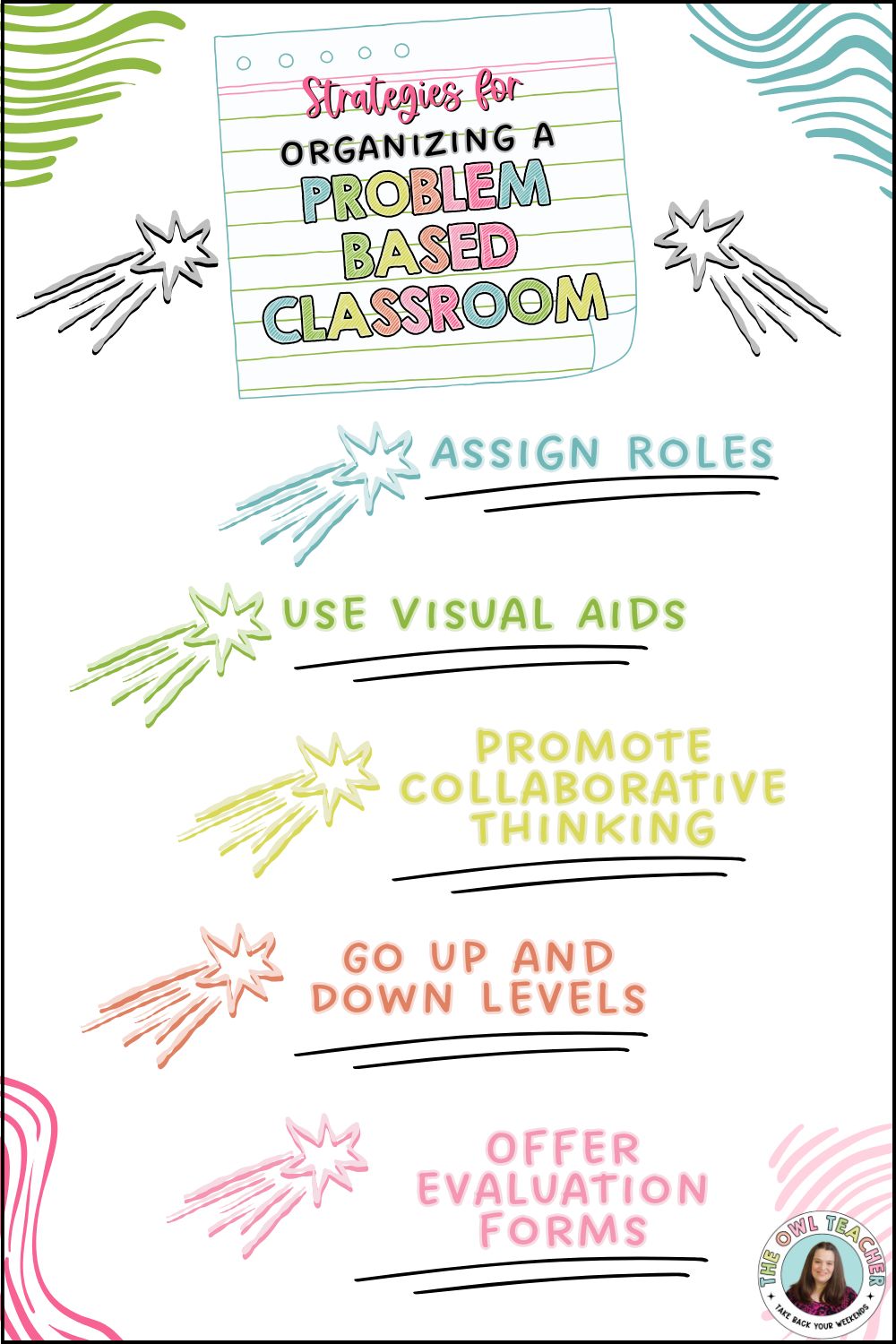
Strategies for Organizing a Problem Based Classroom
Alright, now let’s discuss the details. If it’s not handled well, problem based learning in math can feel like chaos. For the Farmer PBL exercise to stay on track, here are some tried-and-true strategies:
Perform Duties
Assign students specific tasks to their farming “teams.” Another student could take on the role of “Resource Manager,” determining the number of animals that can be housed in each location. In contrast, another student could take on the role of “Space Planner,” responsible for arranging the spaces. Each student has a particular job to do, and the group dynamic is more organized thanks to the roles.
Employ Visual Aids
It makes a difference when students have graphics to help them understand the space requirements of various animals. For instance, you might make use of diagrams or models to illustrate the space requirements of a chicken coop compared to a cow pen. Along with keeping the project organized, this helps students make wise choices regarding their plans.
Promote Collaborative Thinking
Get the class to talk to each other in small groups at regular intervals. Have them show you their plans and explain their decisions. Participation in these groups can help students who are struggling to think critically and creatively. Additionally, they can gain a sense of achievement by discussing their progress.
Go Up and Down Levels
Depending on their development, consider moving kids to different levels if you’re dealing with a range of abilities. Perhaps one student begins at Level A and is prepared to go on to Level B after only one week. Giving students the freedom to work at their own pace keeps them challenged without being overwhelmed.
Offer Evaluation Forms
Making sure kids don’t forget anything by providing them with a checklist of assignments is a great way to keep them organized. “Calculate space for cows,” “Divide space for chickens,” and “Use the distributive property to split areas” are all items that could be on a checklist. Managing a problem based learning activity can be substantially streamlined with one simple step.
PBL: How It Can Help Students from All Backgrounds
Facilitating participation from a wide range of students is a significant strength of problem based learning. Students of varied interests, abilities, and learning styles will find something to their liking in this activity. It satisfies a wide range of needs in the following ways:
- Seeing the plan develop on paper aids visual learners in grasping multiplication.
- By physically moving around their “farm,” kinesthetic learners can change the layout and gain comprehension physically.
- The project gains structure through the reasoning required for space layout and animal arrangement, which attracts logical thinkers.
The Farmer PBL and other forms of PBL learning allow teachers to meet students where they are, which in turn helps to fulfill their specific needs, maintain their interest, and boost their math skills and confidence.
Even if math isn’t your students’ favorite subject, PBL may make even the most abstract concepts come alive. Using problem based learning in math to make decisions, solve problems, and create something original is the goal of the Farmer PBL, as opposed to finding correct answers. Students don’t just learn facts; they also learn skills that will last.
Transforming the learning experience is the ultimate goal of incorporating problem based learning into math lessons, particularly with interactive resources such as the Farmer PBL. Even for kids who have difficulty with numbers, the goal is to make math more engaging and enjoyable. Learning can become more interactive, relevant, and enjoyable with this tactic.
With the help of the Farmer PBL, educators may present mathematical ideas to their students in a manner that is approachable, powerful, and applicable to their everyday lives. As a result, why use content with boring old multiplication sheets? Put the kids to work on a farm and watch them grow. The best way to improve your math skills is to get your hands dirty, after all.

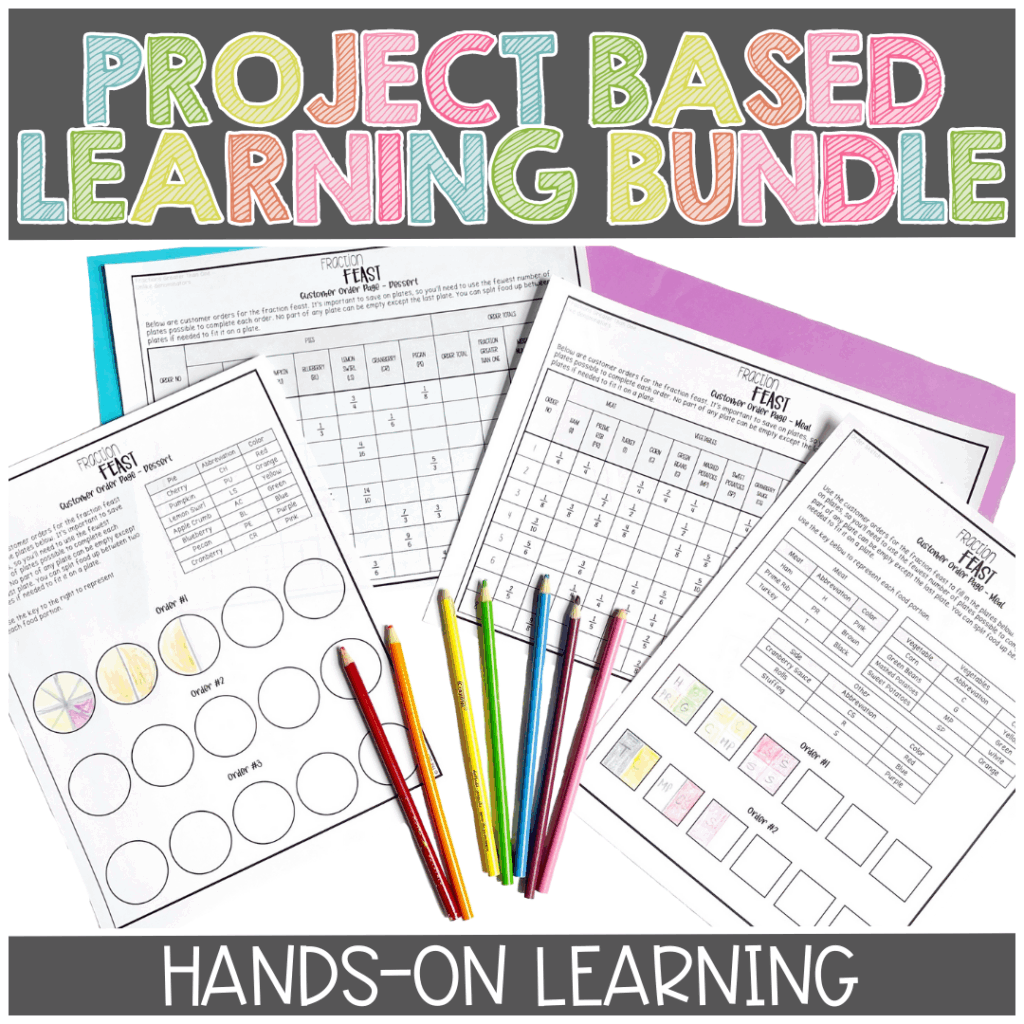
Pick up your Farmer Project Based Learning in math activity for your classroom today or save money and grab the project based learning bundle.