








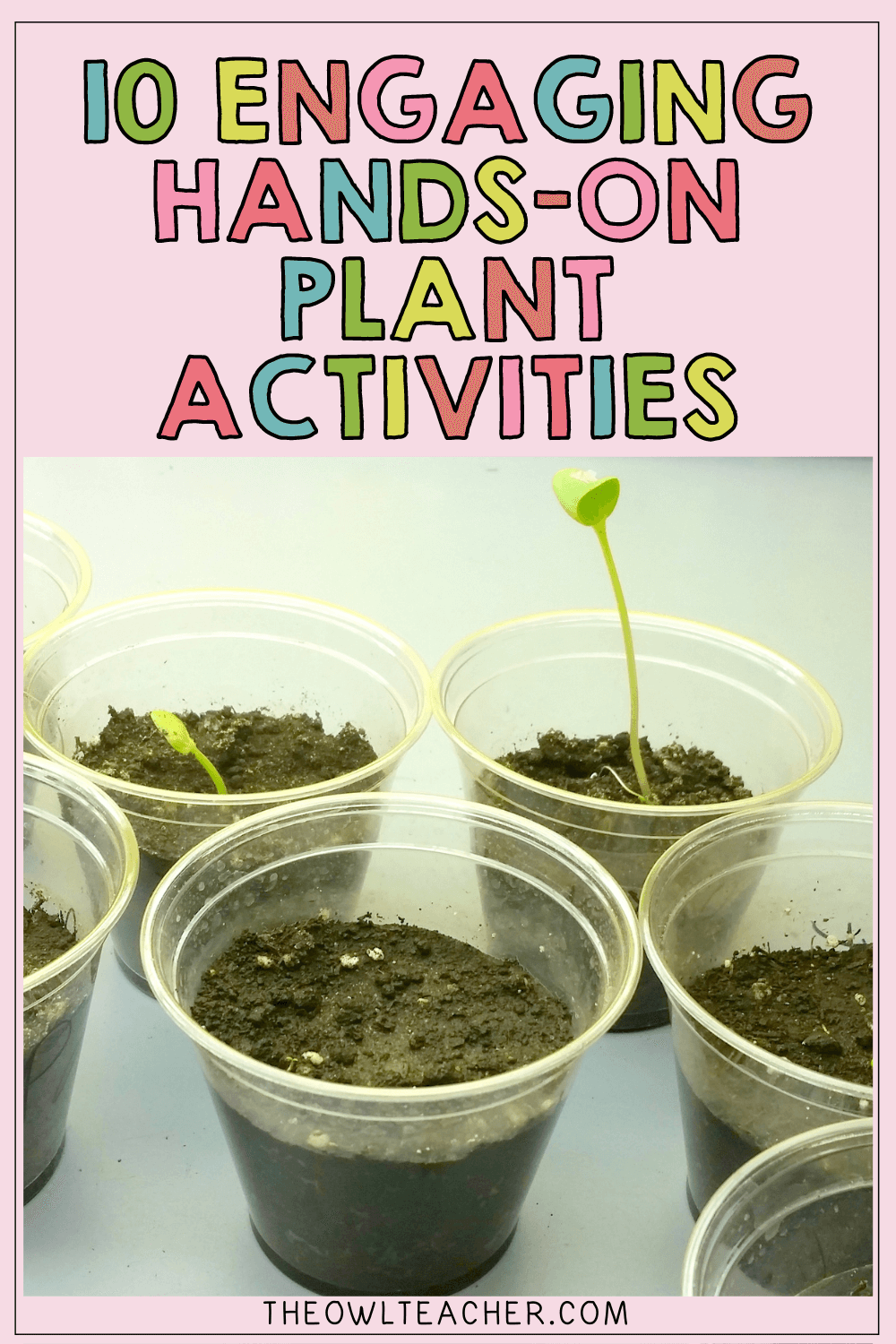
If you’re looking for hands-on plant activities for your upper elementary science classroom, you’re in the right place. This post covers 10 activities spanning plant needs, plant structures and functions, photosynthesis, the plant life cycle, pollination, plant cells, chlorophyll, and plant adaptations — all designed for grades 3–5.
When I was in college, I didn’t like learning about plants. The class was boring and the professor had a monotone voice. Kids are the same. They’re not going to get excited about a topic if you don’t bring the energy — and they need hands-on experiences to truly understand what they’re exploring. So how do we make plants engaging beyond just planting a few seeds? That’s what this post is about.
Kids are the same. They won’t get excited about a topic if you don’t. They also need hands-on activities to stay engaged and truly understand what they are exploring, whether it is math, language arts, or science. So how can we make plants an engaging and hands-on topic beyond just planting a few seeds? That’s what this post is about!
Standards This Post Covers
These hands-on plant activities align with the following science standards for grades 2-5:
NGSS (Next Generation Science Standards):
- 2-LS2-1 — Plan and conduct an investigation to determine if plants need sunlight and water to grow. (Activities #1, #5)
- 4-LS1-1 — Construct an argument that plants and animals have internal and external structures that function to support survival, growth, behavior, and reproduction. (Activities #2, #4, #6)
- 5-LS1-1 — Support an argument that plants get the materials they need for growth chiefly from air and water. (Activity #3 — Photosynthesis)
- 5-LS2-1 — Develop a model to describe the movement of matter among plants, animals, decomposers, and the environment. (Activities #3, #8)
- 2-LS2-2 — Develop a simple model that mimics the function of an animal in dispersing seeds or pollinating plants. (Activity #8 — Pollination)
Texas TEKS (updated 2024–25):
- TEKS 4.13A — Explore and explain how structures and functions of plants, such as waxy leaves and deep roots, enable them to survive in their environment. (Activities #2, #4)
- TEKS 4.13B — Differentiate between inherited and acquired physical traits of organisms. (Activity #4 — Plant Adaptations)
- TEKS 3.13A — Explore and categorize structures and functions of plants. (Activities #2, #5)
GRAB A FREEBIE!
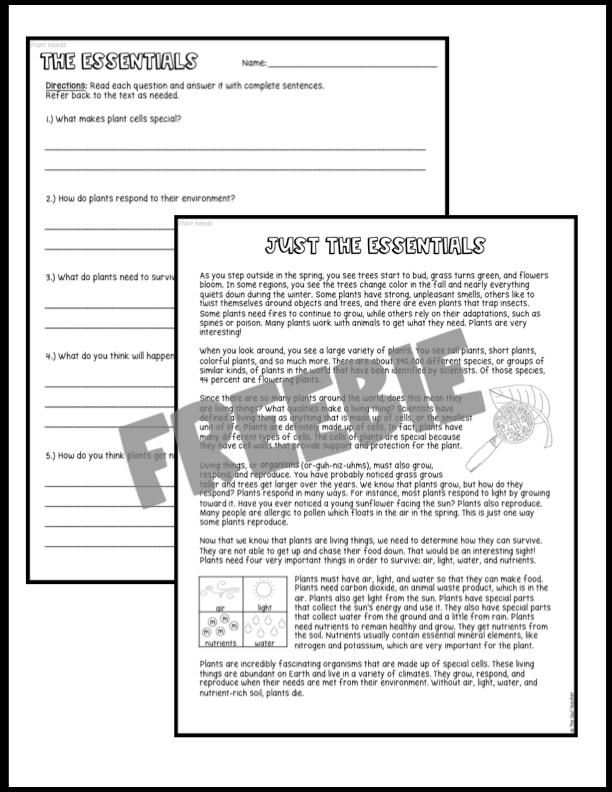
In addition to the suggested pollination freebie below, I have this Plant Reading Passage for you. I’ll soon be releasing reading passages on all science subjects! Here’s a sneak peek! Click here to download it completely free!
1. Hands-On Activity: Exploring What Plants Need to Survive
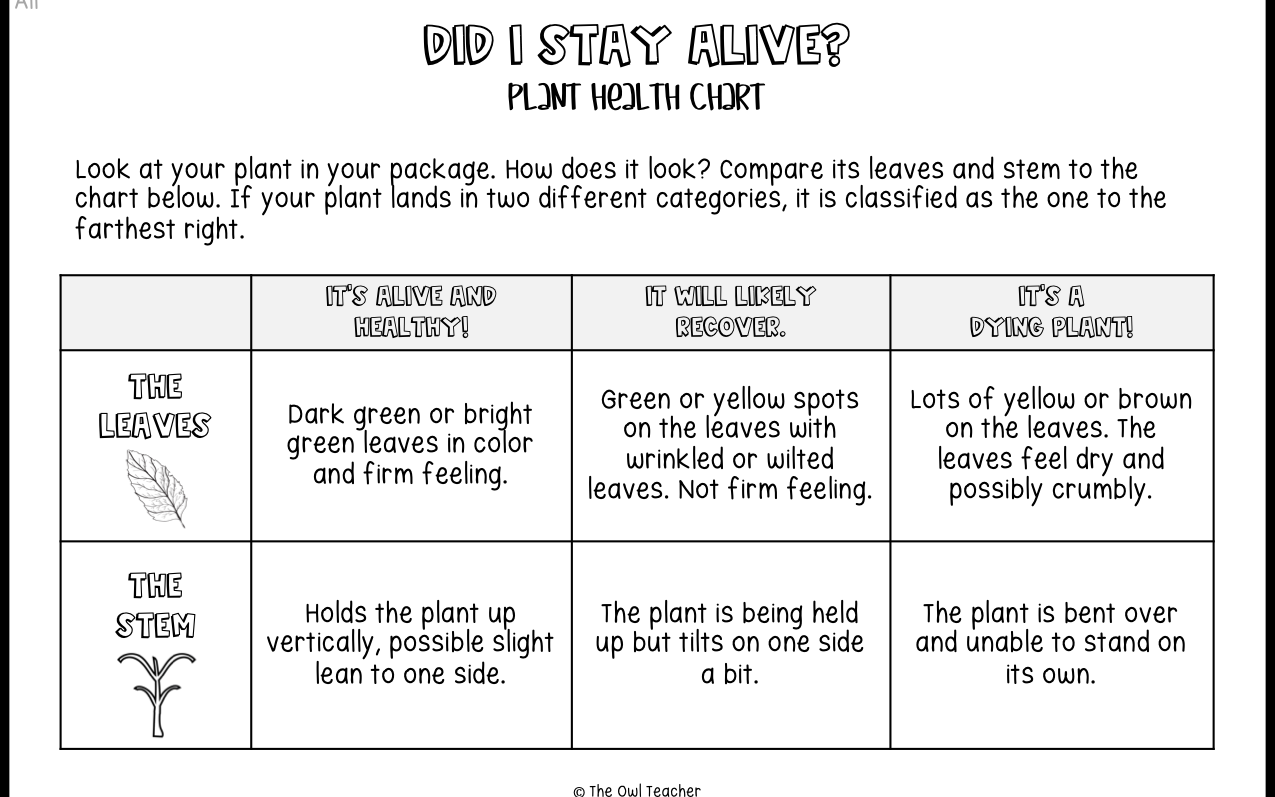
In lower elementary, students begin exploring whether a plant is considered alive or not. Once they determine it is alive, they decide what a plant’s needs are for survival. One activity that I like to do with my students is the Plant’s Needs stem challenge. In this activity, students are hired to create a package that will keep a plant alive during shipping for five days. Students are given recycled materials to create their packages and after 5 days, we come back to check on the plant to see how they did.
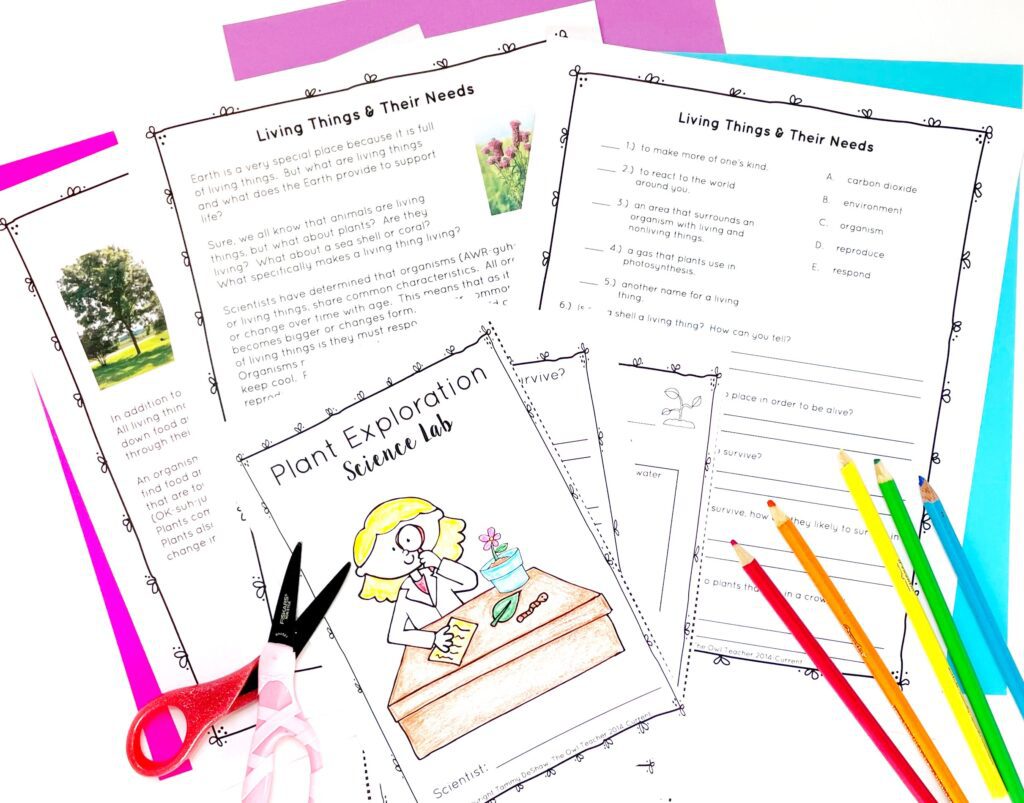
Of course, you can definitely plant seeds and watch them grow as we do in my Plant Unit. We read about the needs of plants & discuss them. Planting seeds are also good for measurement skills, observation skills, and later when discussing the plant life cycle.
Materials Needed:
- Small potted plant or seedling
- Recycled materials (cardboard, plastic wrap, tape, foil)
- Scissors
- Spray bottle with water
Want to take your plant unit even deeper? Check out my post on 5 reasons your plant unit might not be working — and how to fix each one.
2. Hands-On Activity: Plant Structures and Their Functions
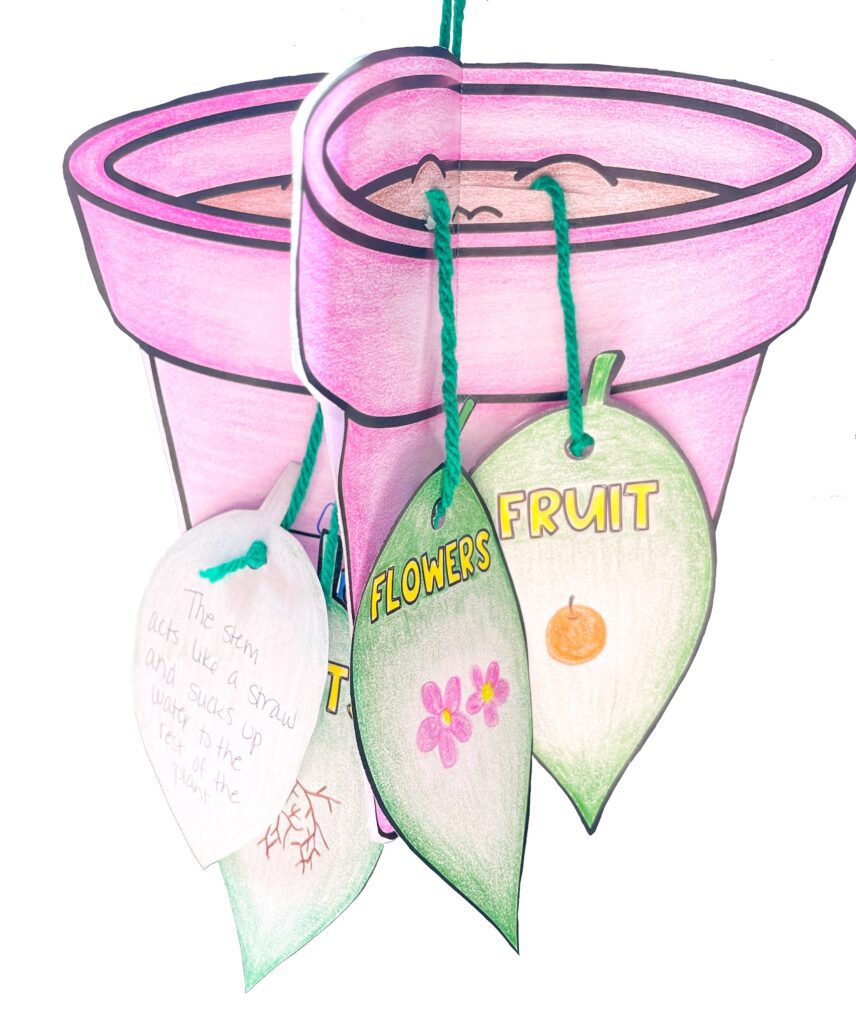
Once students have learned about the needs of plants, then teachers like to focus on the different structures of a plant and their functions. While you can easily have your students draw a plant and label its leaves, stems, and roots, I want to have students focus on hands-on plant activities that will really help them remember the structures and their functions. I like to pull out my plant-hanging mobile.
In the hanging mobile, students create a plant with leaves designed on one side with the structure and its function is on the other side. They make a cute display and students really remember what each part does!
3. Hands-On Activity: Making Photosynthesis Fun with Role-Play
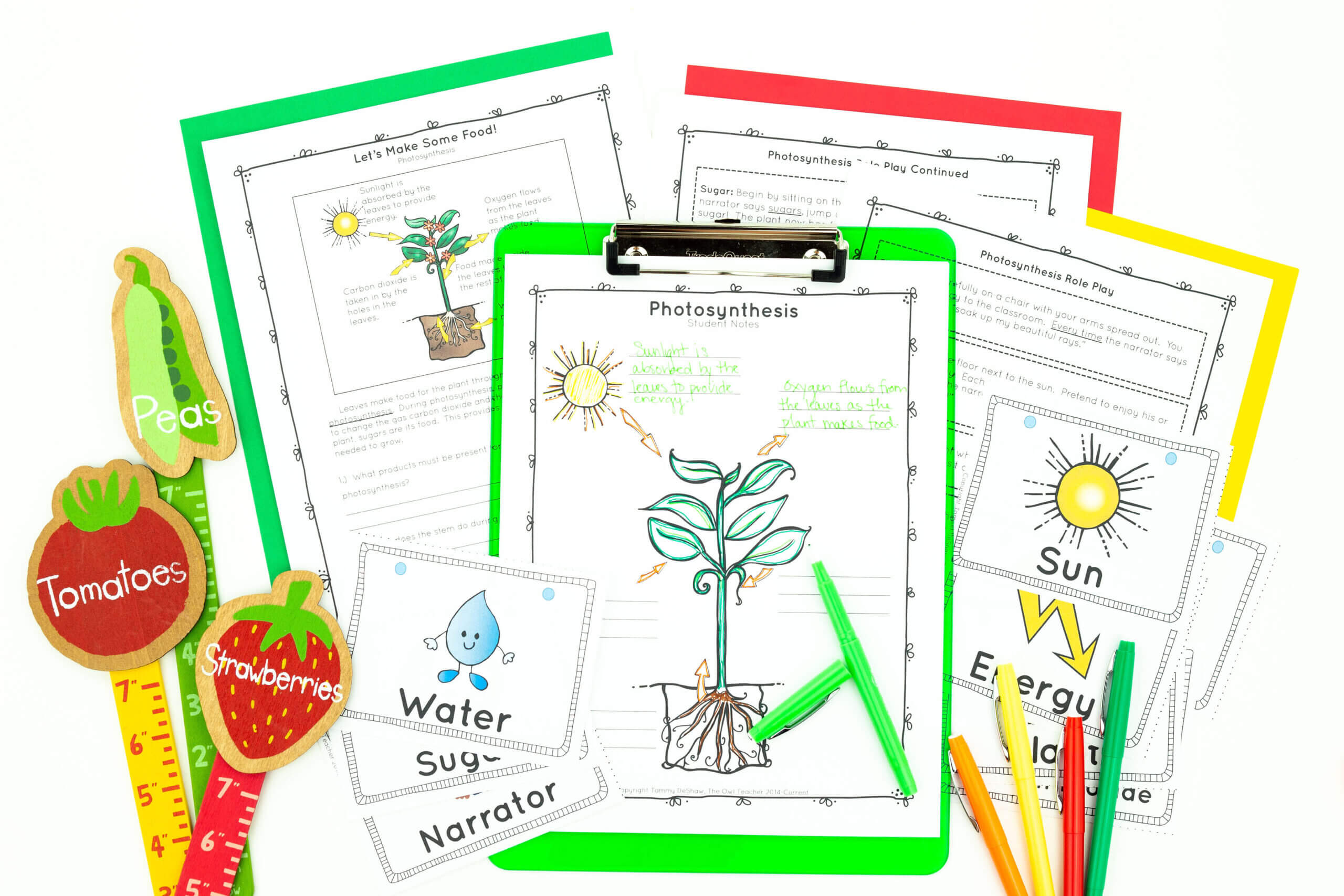
While photosynthesis is more of a middle school topic, I feel it’s important for students to understand that plants make their own food through this process. I don’t go into deep detail. Instead, I keep it light and fun through a photosynthesis role-play activity! In the post, Making Photosynthesis Engaging to Upper Elementary, I talk all about how I use it in the classroom.
Materials Needed:
- Printed role cards (included in resource)
- Yellow and green construction paper for “sunlight” and “chlorophyll” labels
- Yard or String
Plants are the producers that power every food chain. Once students understand plant structures, connect them to these 8 food chain activities for a full ecosystem picture.
4. Hands-On Activity: Plant Adaptations Superhero Project
Plant adaptations are a topic that I feel doesn’t get enough coverage. Sometimes it’s easy to get focused on all the adaptations animals have and then quickly skim over the plants. One way I like to keep my students engaged with plant adaptations is by creating plant superheroes!
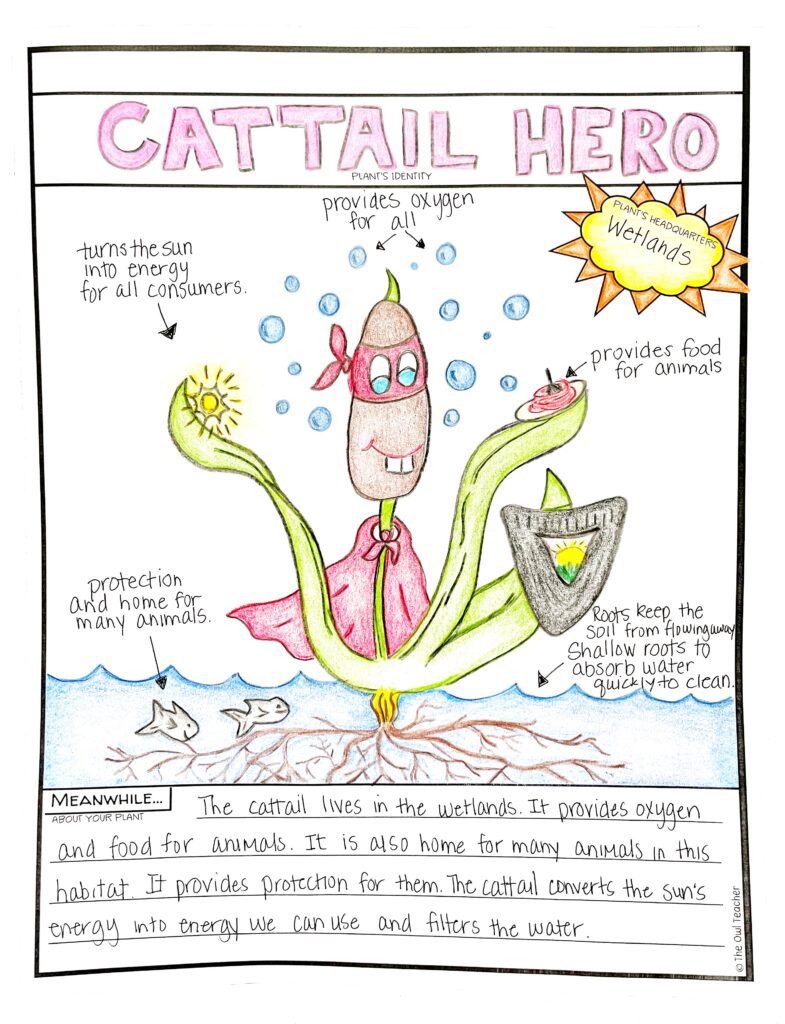
Students love this activity because they choose a plant and turn all of its adaptations into superhero qualities. It’s creative and requires students to think outside the box a little! It’s definitely an engaging hands-on plant activity!
Plant adaptations also connect to your ecosystem unit. If you’re teaching ecosystems alongside plants, here are 10 ecosystem project ideas your students will love.
5. Hands-On Activity: Plant Life Cycle Projects and Crafts
Sometimes teaching about the plant’s life cycle can be a bit boring. You can bring in picture books to spice things up a little, bring in a collaborative poster for students to put together in groups, or have students assemble these plant fans! Who isn’t a fan of plant fans!
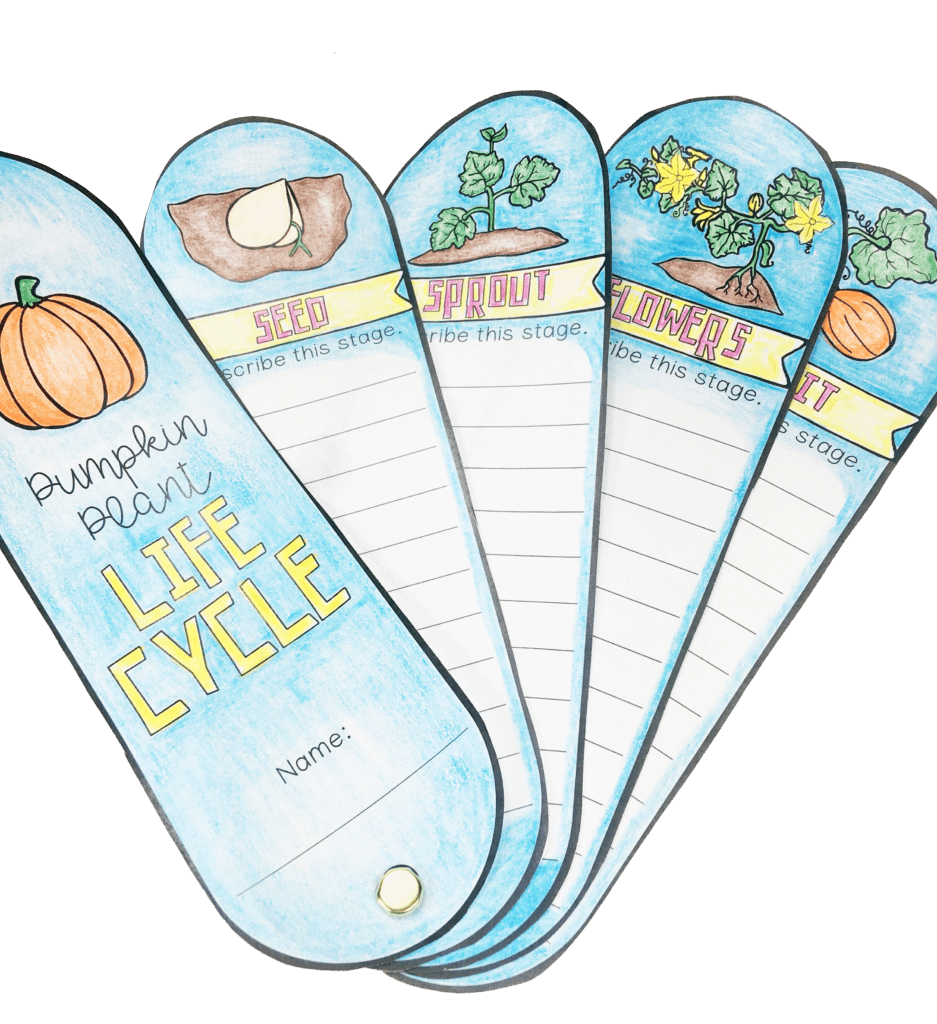
For more detailed life cycle activities, check out my full post on 5 hands-on plant growth cycle activities.
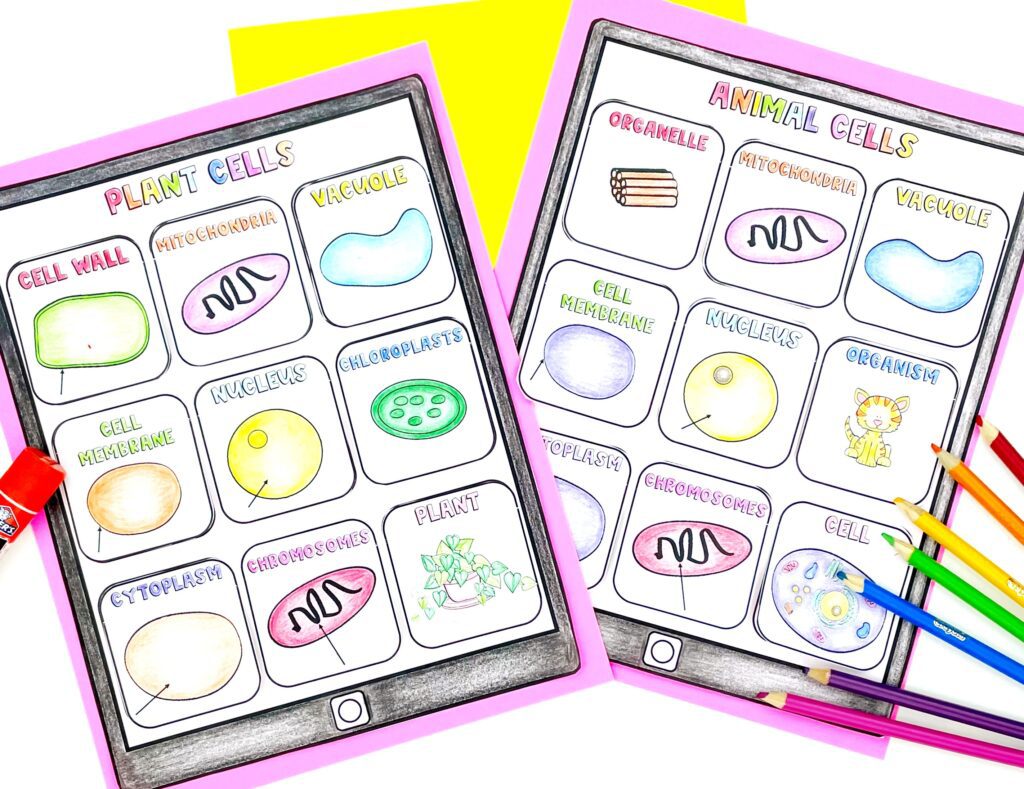
6. Hands-On Activity: Plant Cell Craftivity for Upper Elementary
If your district requires you to teach about plant cells, their parts, and what each part does, then check out this plant cell craftivity in the form of an iPad. Students have an “app” that shows the part on top and under its flap describes what that part does. It’s a cute way to focus on plant cells!
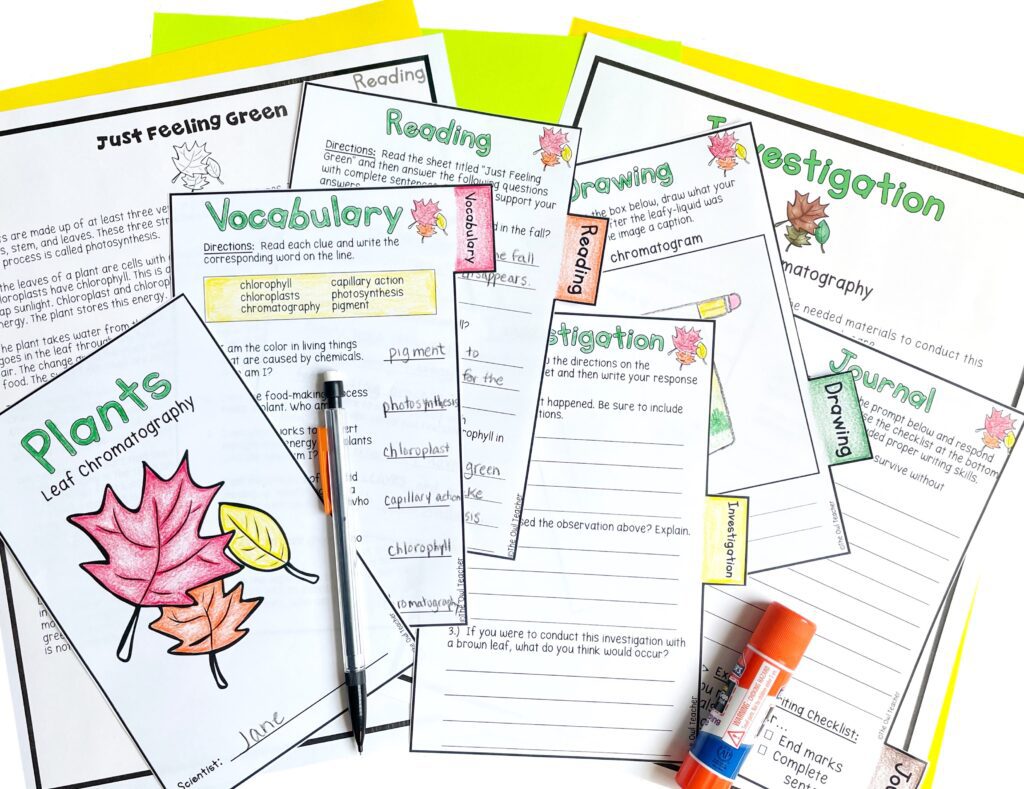
7. Hands-On Activity: Leaf Chromatography and Chlorophyll Investigation
Want to discuss how leaves change color in the fall? Are you looking to discuss chlorophyll in plants? Check out this Leaf Chromatography booklet where students investigate both of these things! It includes differentiated reading passages, vocabulary focus, and writing with the investigation! This hands-on plant activity is a hit in all classrooms!
Materials Needed:
- Fresh green leaves (3-4 per student)
- Rubbing alcohol
- Glass jars
- Coffee filters
- Tape
- Pencils
- Hot water (Teacher supervised)
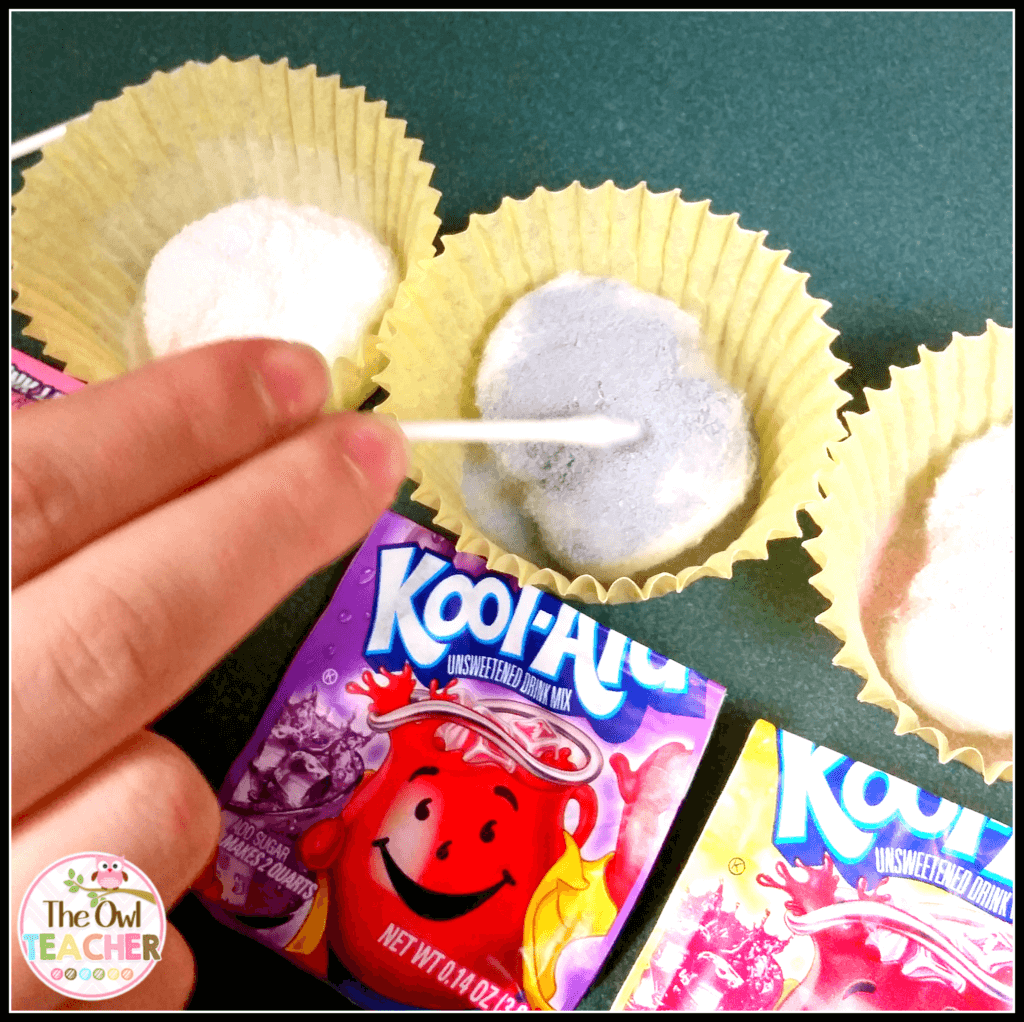
8. Hands-On Activity: Pollination Simulation with Kool-Aid (Free!)
This free activity helps your students explore how bees help plants with the pollination process. Students transfer kool-aid powder from cotton ball to cotton ball using q-tips. It’s very eye-opening to students. You can grab that resource free by clicking here.
Materials Needed:
- Kool-Aid powder (various colors)
- Cotton balls
- Q-tips
- Cupcake liners
- Magnifying glasses (optional)
9. Cross-Curricular Activity: Plants Meet Figurative Language
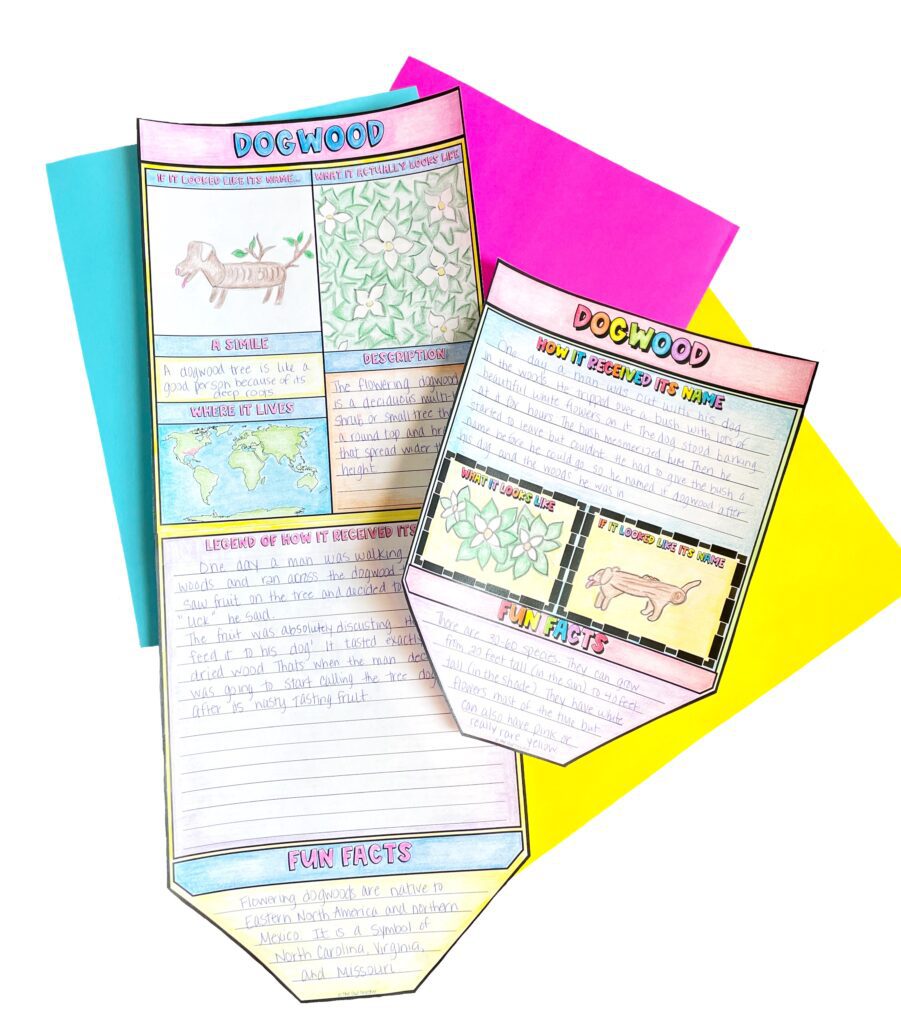
One of my favorite hands-on plant activities to do is the Figurative Plant Pennants. In this activity, students are assigned a flower and complete a mini-research on it. Then they draw a literal interpretation of the flower based on its name. They then make up a legend about how the flower received its name and create a simile for the flower. There are unique flowers like fiddleneck, canary creeper, skunk cabbage, woolly daisy, and teddy bear cholla. Students have so much fun with this!
10. Review Activities: Task Cards, Circle Books, and More for Plant Science
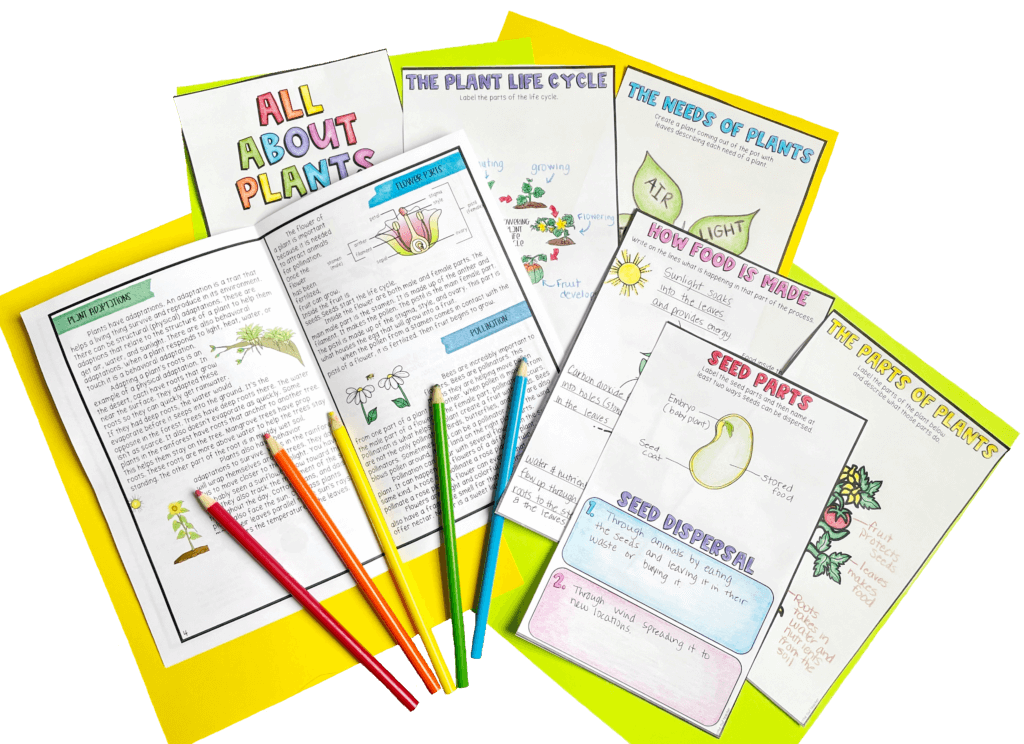
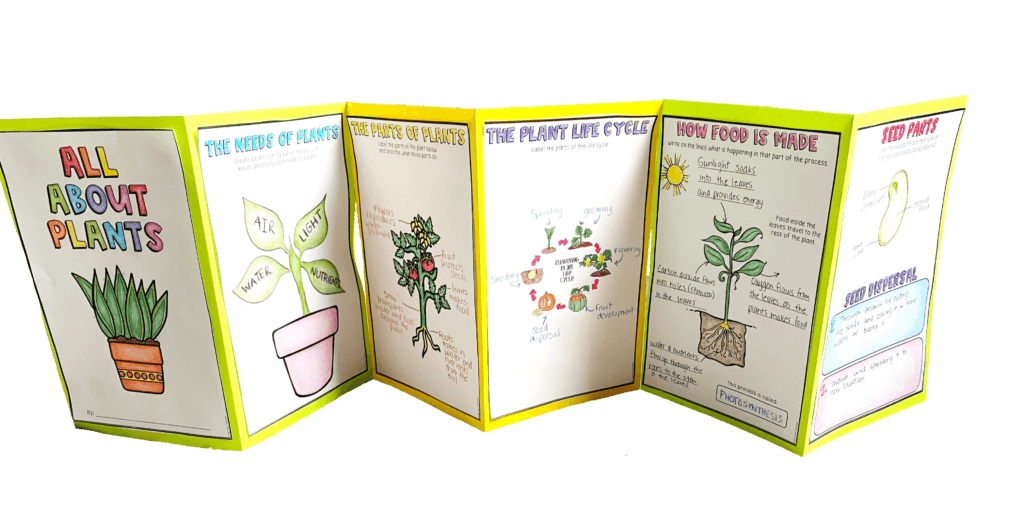
This is where I excel. I have plenty of hands-on plant activities to help you review all of the plant concepts you are covering in your classroom! I already mentioned my plant unit which includes planting seeds. It also covers many other important plant concepts. I also have plant fan books that are similar to the life cycle fan books but cover all of the plant concepts. You can also find plant task cards, Plant Boom cards, and Plant circle books. My plant accordion comes with reading passages and materials to help you assess what students learned. It’s engaging and makes a cute resource when finished!
It’s important to use hands-on plant activities during your next plant unit! They help hold students’ attention and retain the information longer. With the wide variety of activities I’ve provided in this post, you’re likely to find something that will definitely keep your students engaged and help them learn!
If you’re looking for more hands-on science beyond plants, check out these 8 food chain and food web activities or these fun and simple experiments for upper elementary.
Teaching physical science, too? Here are 3 easy experiments for circuits, force and motion, and density that work great for upper elementary.