



Fifth graders need a variety of engaging tasks to complete while learning multiplication and division. Let’s be honest: students can only focus on their tasks for so long before they begin to lose concentration. The Multi-Digit Multiplying and Dividing Guided Math Workshop is excellent because it is very interactive. This workshop is filled with fun, functional, hands-on tasks that make math engaging, boost confidence, and help your students retain important concepts. Let’s review ten activities from this workshop that will get your kids excited about multiplying and dividing.
Math Warm-Ups to Get the Mind Going
Begin with some quick math writing as a warm-up before moving on to the main lesson. These short, fun math problems help students get their minds ready for learning without the stress of a complete lesson. Think of number drills, quick puzzles, or mental math routines that involve multiplying and dividing. Warm-ups make the classroom a good place to learn by introducing math with easy, stress-free exercises that build basic skills. These math writing warm-ups help students become more fluent and confident, setting a good tone for the entire lesson.
Using Partial Products to Multiply Numbers
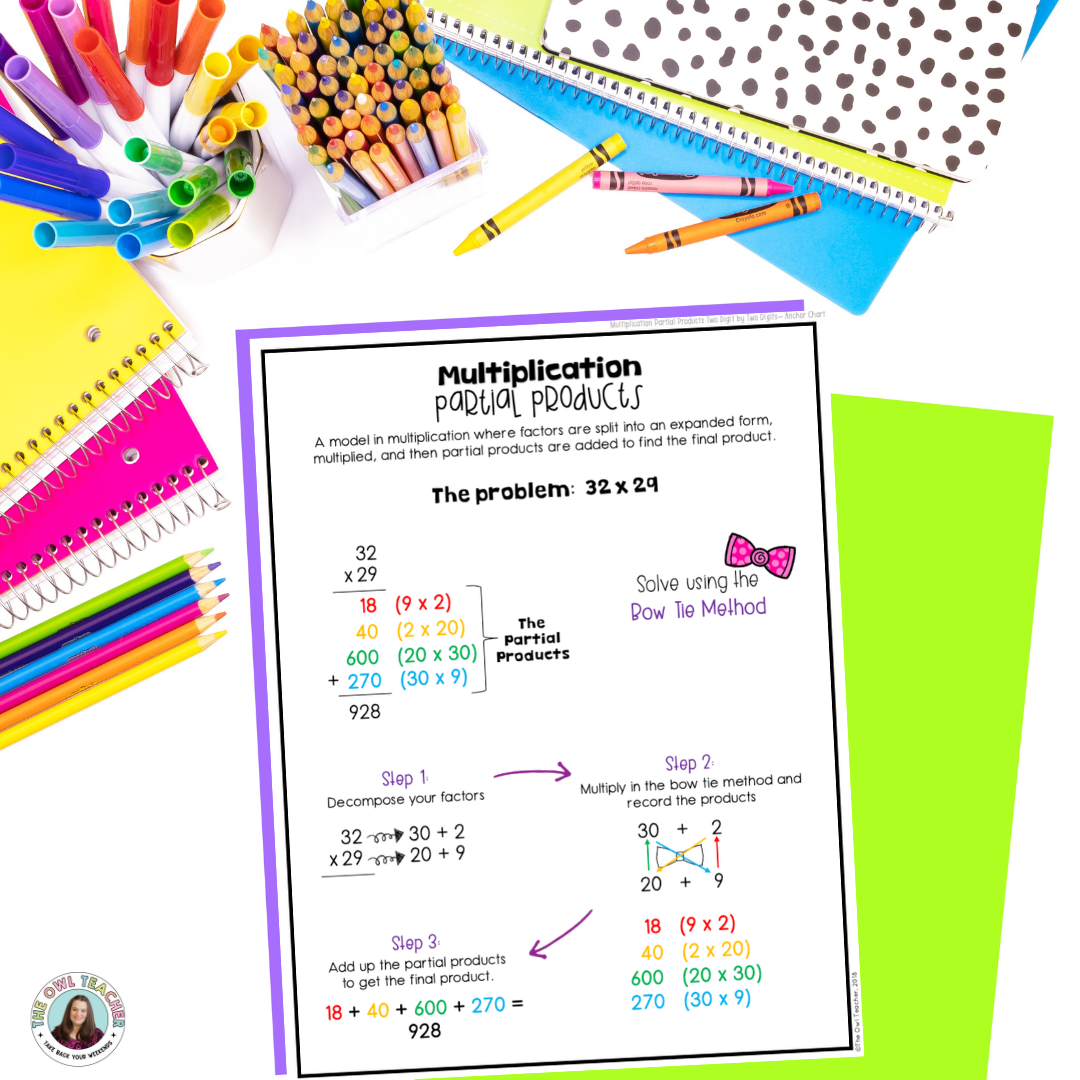
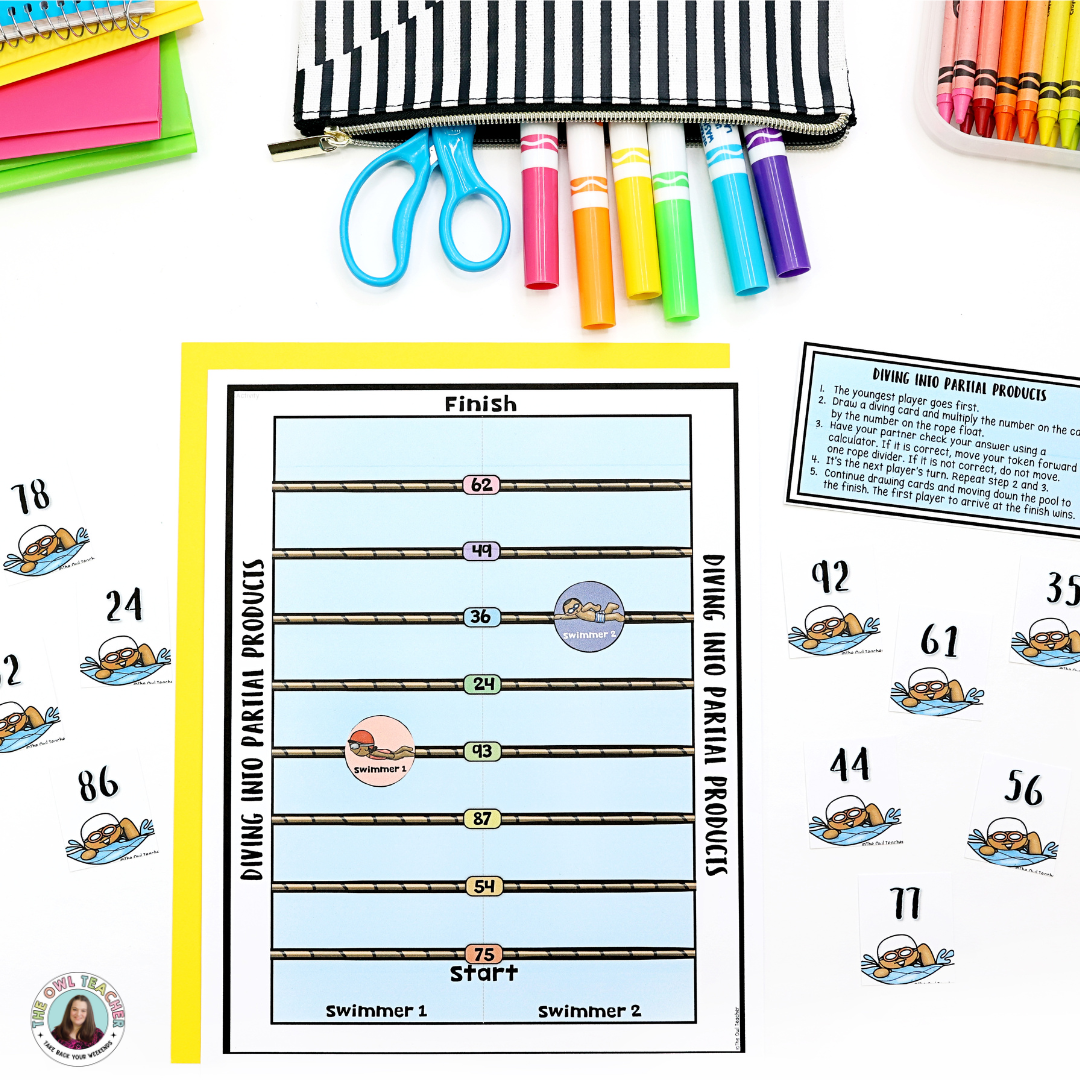
Partial products break up big math problems into steps that are easier to manage. Students use the partial products method to multiply numbers with more than one digit in this task. They can see how each part of the problem fits into the whole by breaking it up into smaller pieces. For people who learn best through visualization, this method works exceptionally well because they can see the math come together in a clear and organized way. Breaking problems down into partial products takes away the pressure and helps students understand complex multiplication in a way that makes sense.
Area Models to Help You See How to Multiply
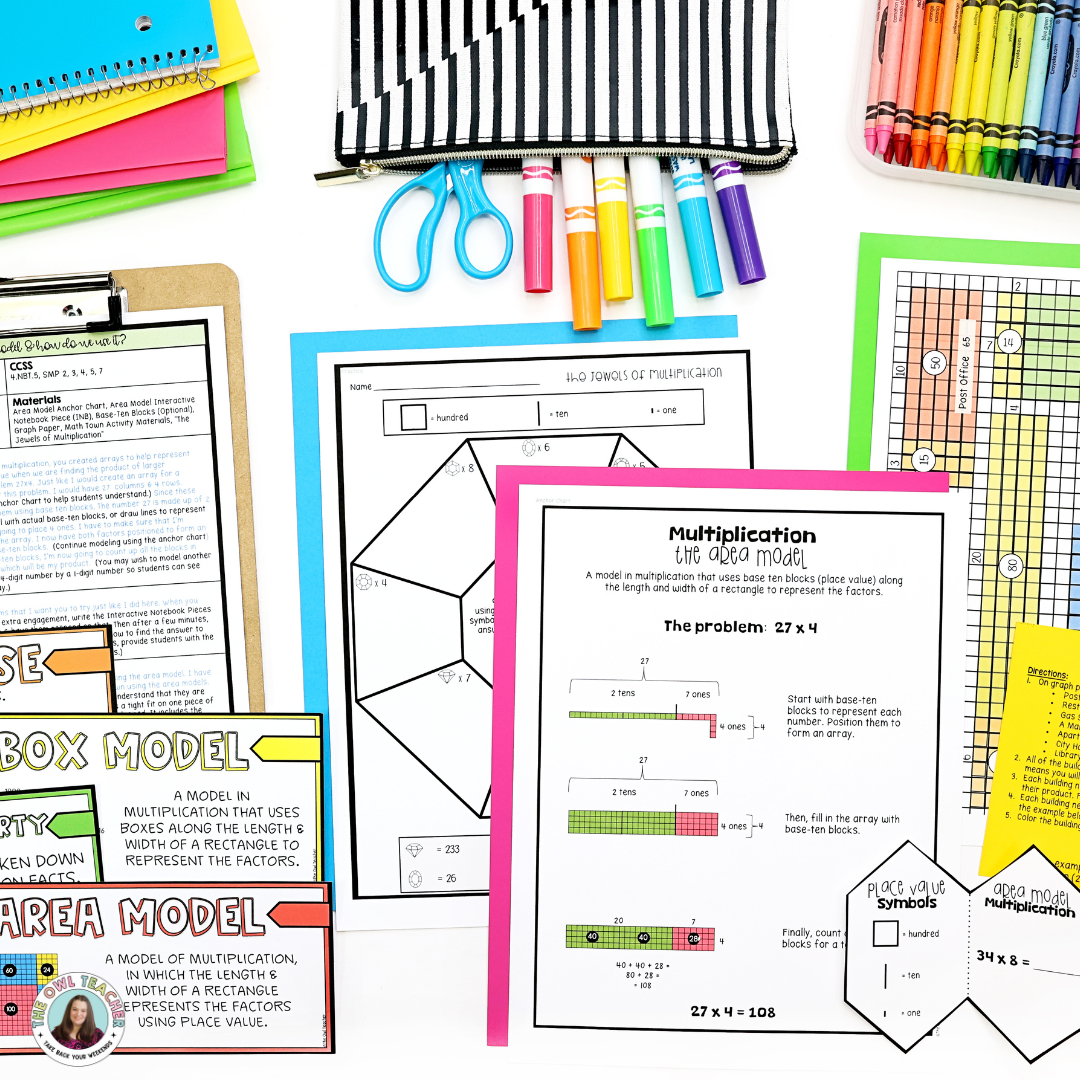
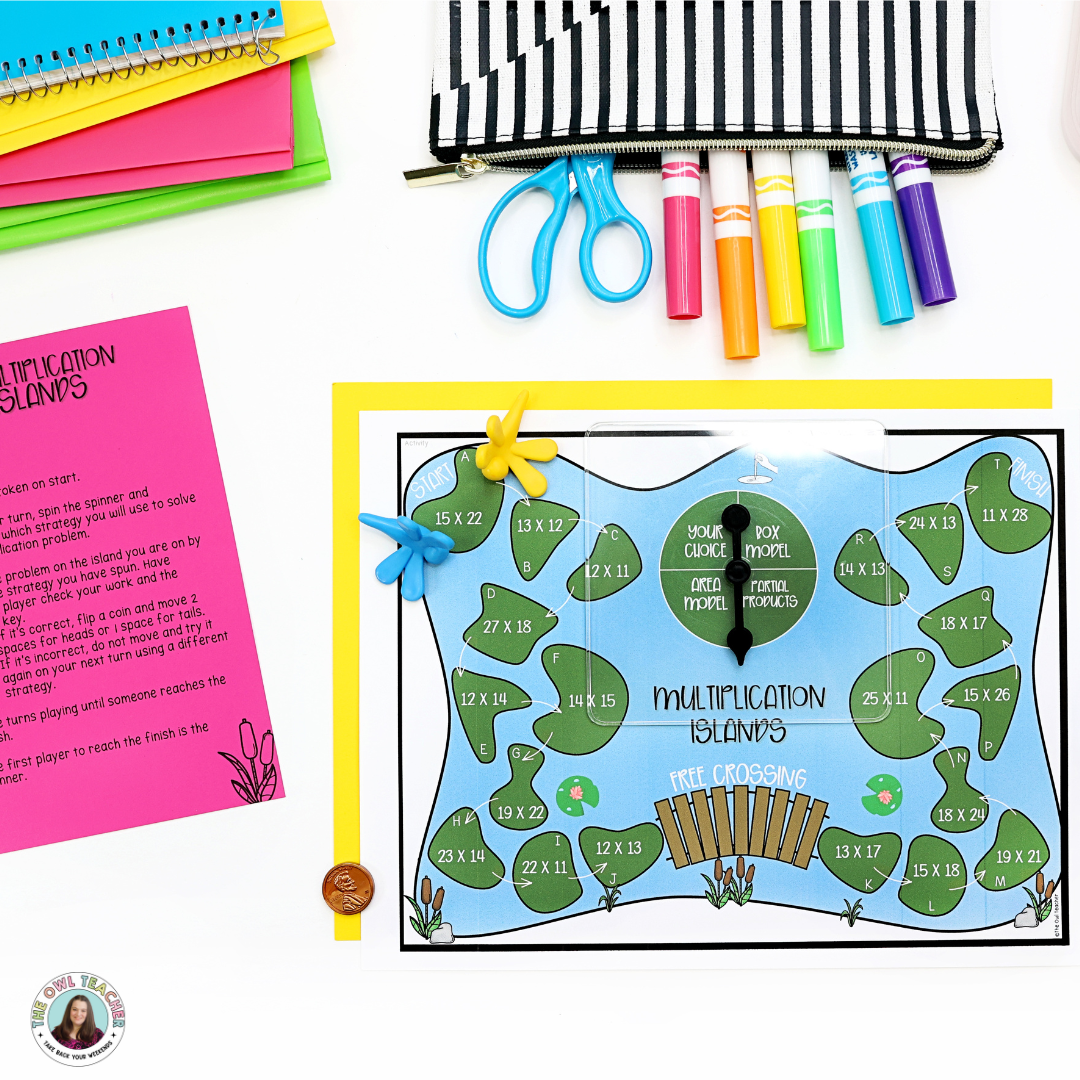
For people who learn best by seeing and need to see multiplication in action, area models are great. This activity demonstrates to students how to create area models for multi-digit multiplication, enabling them to represent each part of the problem visually. Students can see how multiplication works by looking at how each part of the area fits into the whole. Area models make multi-digit multiplication less abstract. They achieve this by reinforcing the concept of place value and breaking down large tasks into manageable parts.
Creating an Array to Understand Ideas
Students can build rows and columns to show multiplication rules with arrays. This provides them with a hands-on approach to understanding how numbers work. This project encourages students to use counters or grid paper to create arrays, making multiplication a structured and visual process. Arrays are a great way to help kids remember things like factors and multiples. Arrays help students see the connections between adding repeatedly and multiplying, which helps them remember basic multiplication skills.
Work on Division Using the Method of Partial Quotients
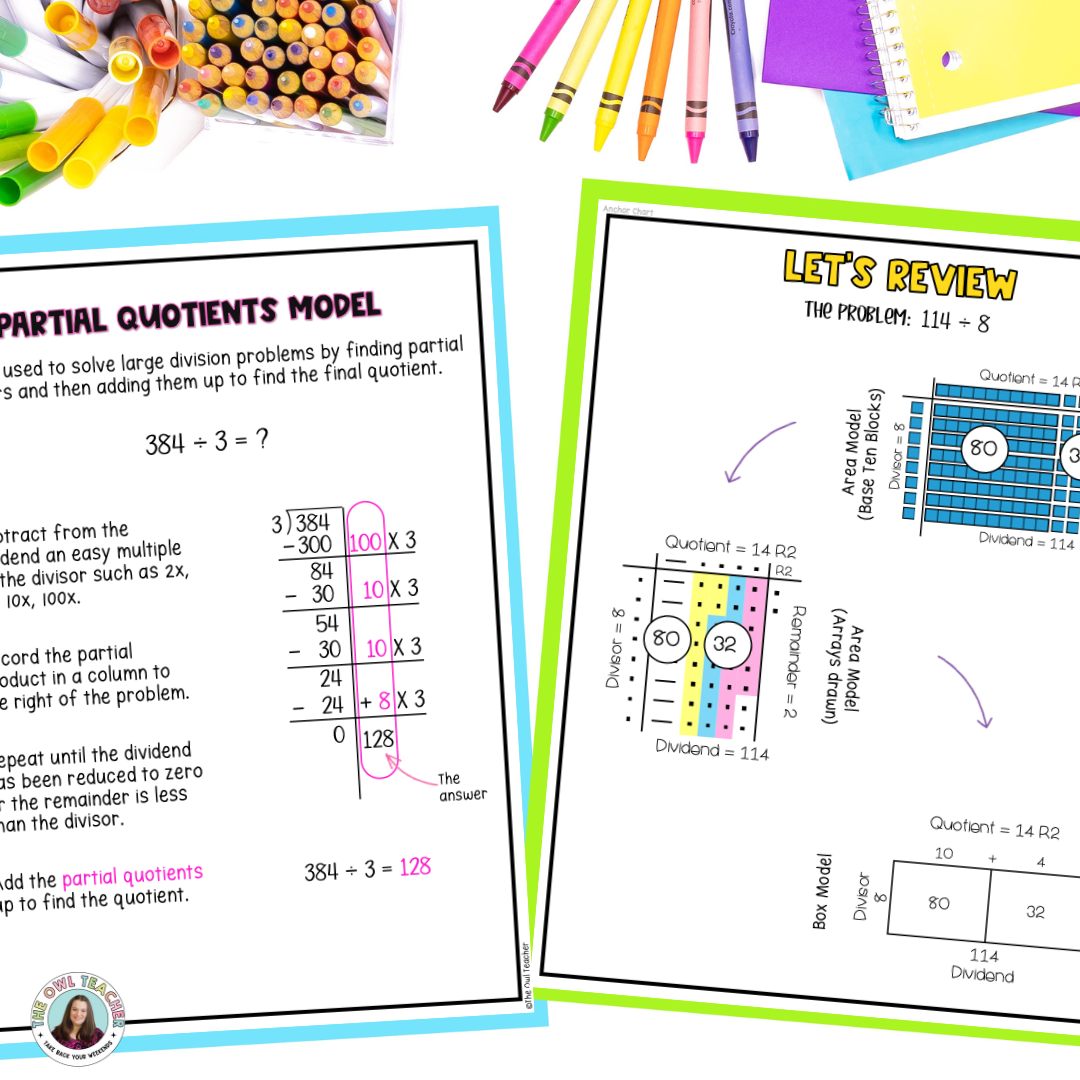
When you need to divide numbers, the partial quotients method can make all the difference. This game breaks down division into smaller, easier-to-understand steps. It teaches students how to subtract parts of the dividend until they reach a remainder of zero. Students gain the confidence to perform division without becoming anxious when working with significant numbers by breaking down the process into steps. The partial quotients method makes division easier, allowing even students who struggle with long division to use it.
Word Problems from Real-Life
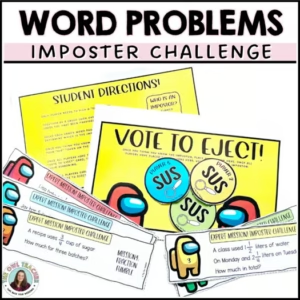
The workshop’s use of real-life situations to teach math is one of the most interesting parts. Word problems that require multiplication and division are the focus of games in this unit. This helps students understand how math is applied in real-life situations. Real-world problems, such as determining how to divide supplies among groups or calculating the cost of multiple items, demonstrate to students how math is applied in everyday life. Using math in real life makes learning more interesting and useful by showing students how their skills are helpful.
Facts about Multiplication and Division: Games for Fluency
Learning basic facts quickly is essential, but it doesn’t have to be dull. This workshop features engaging games designed to help participants better remember facts. Students can play matching games or timed games where they must quickly figure out how to multiply or divide numbers. Students stay interested and driven when they practice fluency as a game. Because games make practicing fluency fun, students are more likely to work on their speed and accuracy with simple facts.
Estimation with Problems Having Multiple Digits
Estimation isn’t just a fun skill; it’s an essential part of understanding numbers. Students practice rounding and “guessing” products or quotients for problems with more than two digits. By thinking, they learn how to make mathematical “guesses,” which helps them understand place value and prepares them to perform more accurate math. Estimating helps students understand the magnitude of large quantities and how reasonable they appear, which is crucial for verifying their work and improving their math skills.
Thinking About Yourself and Sharing Your Plans
A few minutes of self-reflection at the end of a lesson can be helpful for students. They will be pushed to reflect on the plans they made, what worked, and what they could do differently next time. They learn new things and receive feedback from their classmates when they discuss their plans with the class. Reflection helps students become more independent thinkers by reinforcing what they have learned and giving them a sense of ownership over math techniques.
Making Anchor Charts with the Class
Anchor charts are beneficial for individuals who learn best by seeing, and this game enables students to create their own. As a group, they create charts that illustrate methods such as partial products, area models, and partial quotients. Then, during the workshop, these charts are used as a quick reference, helping people remember what they’ve learned with a unique visual aid. It works because making anchor charts helps students remember how to do things and keep their methods fresh in their minds.
All of these tasks are from the Multiplying Multi-digit Guided Math Workshop and the Dividing Multi-digit Guided Math Workshop. They go beyond worksheets and make multiplication and division easy to understand, fun, and interactive. Students learn more about concepts, feel more confident, and discover that math doesn’t have to be intimidating when they use these hands-on methods. This workshop is an excellent way to create a math-friendly classroom environment where everyone has the opportunity to succeed, as each project is designed to challenge students at varying levels.