









This is a sponsored guest post. I was paid to publish this, but I only share content I think teachers will find useful.
As you know, our classroom is full of students with different personalities, strengths, and needs. For some, communication can be the most challenging part of their day. Students with communication disorders may struggle with speech sounds, language, stuttering, fluency, or their voice. Others have trouble understanding what others are saying to them. These challenges can make it hard to join in, build friendships, and affect their confidence and learning.
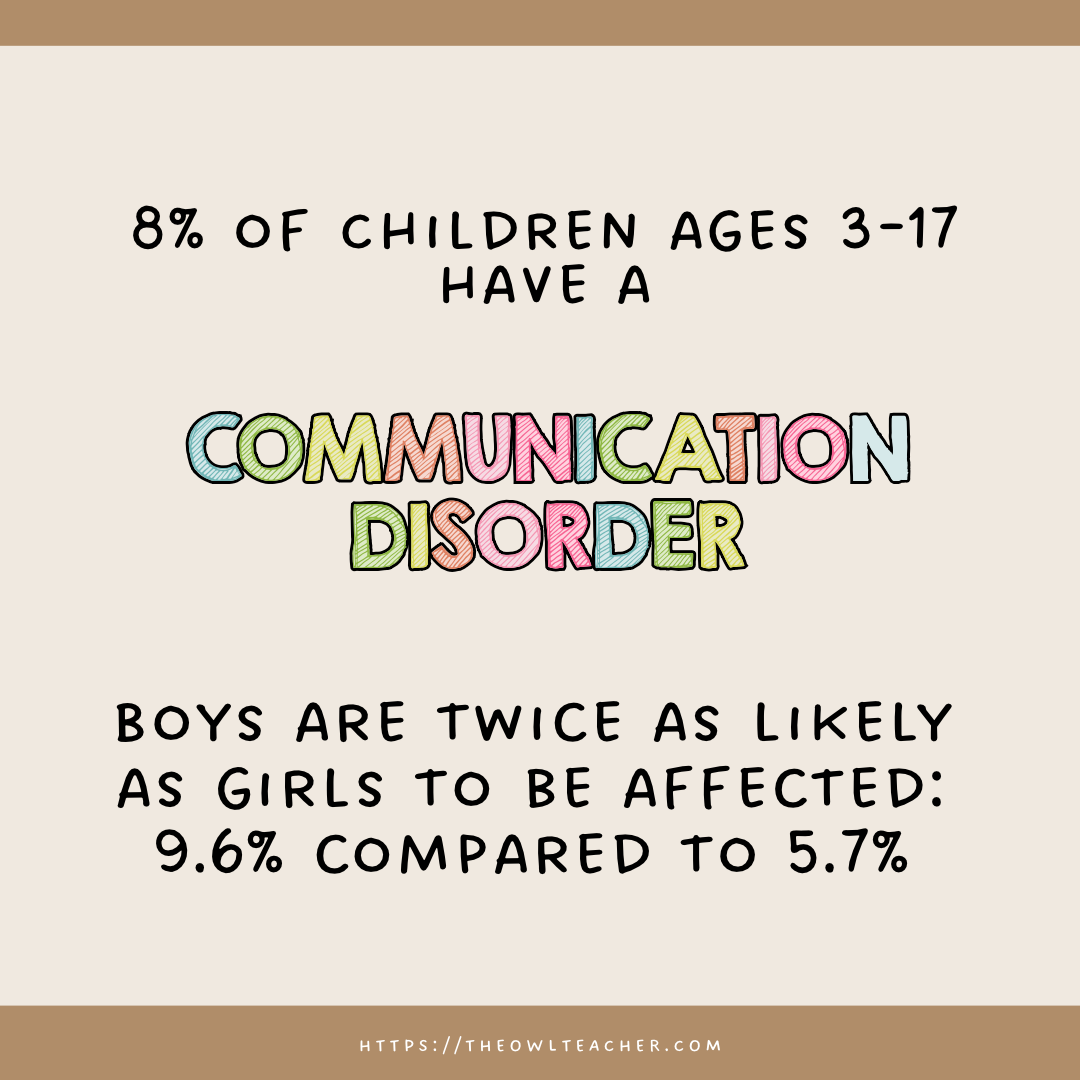
It’s actually more common than you’d imagine. According to the National Center for Education Statistics, speech or language impairment is the second most common category in special education, making up 19% of students served under IDEA.
You’ll likely notice these challenges before anyone else does. Your interactions and how you set up your classroom each day can help students feel safe enough to participate in class.

1. Create More Low-Pressure Chances to Talk
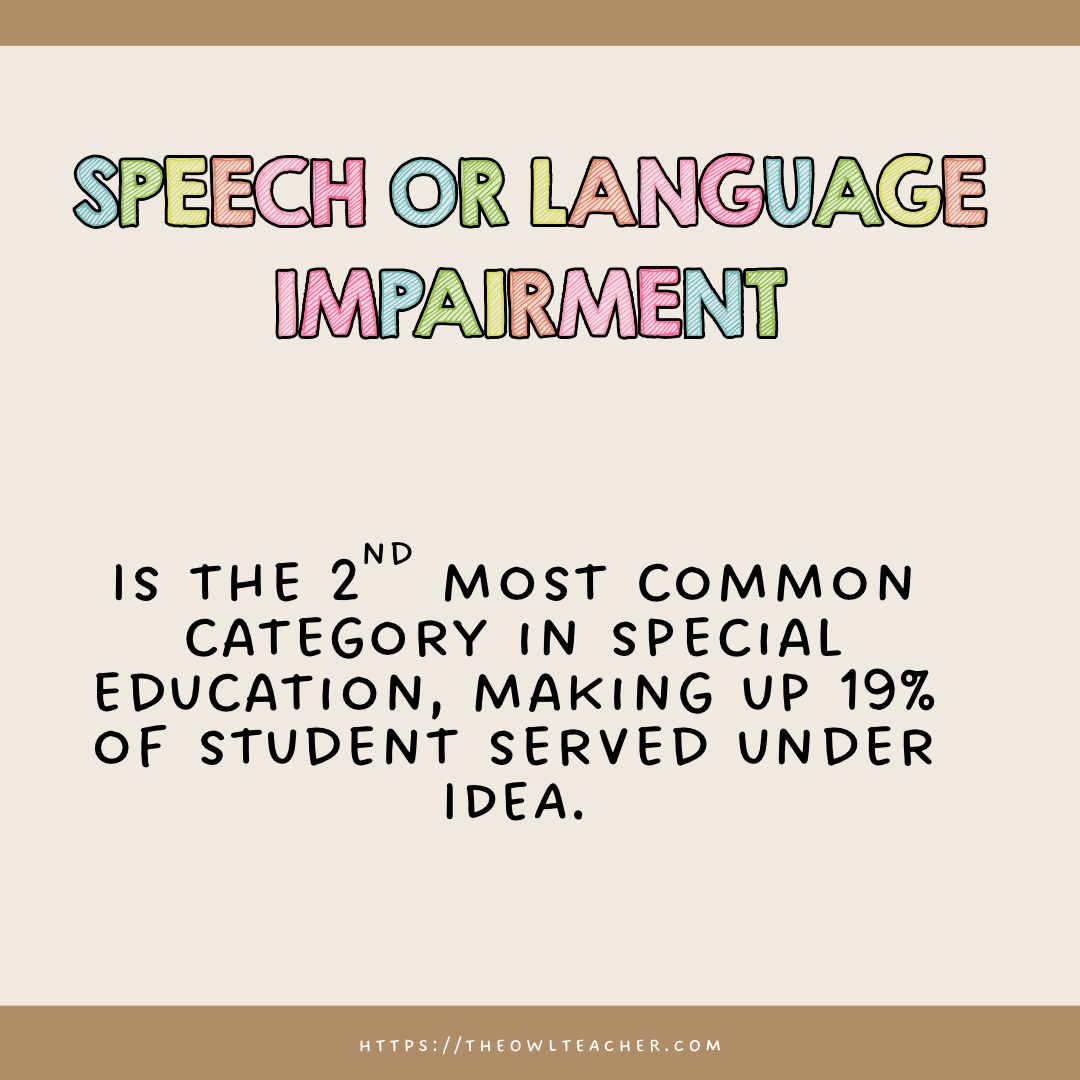
Some students with communication disorders will avoid talking in front of the class because it is scary to them. And students with communication disorders are in almost every classroom. The US Preventive Services Task Force cites survey data showing about 8% of children ages 3-17 have a communication disorder. Boys are almost twice as likely as girls to be affected: 9.6% compared with 5.7%.
One way we can help is by creating structured, stress-free conversations. For example, partner talk, small group work, and short turn-and-talks feel much safer than speaking in front of the entire class. Adding them to your daily routine gives students plenty of low-stakes practice.
It’s also important to give students time to think before they answer so that they may organize their thoughts. If you repeat the question or jump in with the answer too quickly, students may lose the chance to get their own words out or fully think it through.
Some students with communication disorders will struggle with words or sounds. Be patient so they know what they have to say matters, despite any difficulties.
Lastly, don’t finish their sentences, and don’t correct every mistake they make when they speak. Over time, the students with communication disorders will be more confident and willing to speak.
2. Talk With Your School’s Speech-Language Pathologist
You are never alone. Your school’s speech-language pathologist (SLP) is one of your best resources.
An SLP can help you understand the specific challenges a student with a communication disorder faces and suggest simple strategies you can try in your elementary classroom. They can also tell you when a student may need more interventions or testing.
Some teachers find they love this work so much that they want to go further. DeSales University’s online SLP programs, for instance, offer a part-time, flexible routine, alongside supervised, in-person clinical experiences. With the right preparation, this path can help educators support children with speech, language, and communication needs in educational settings.
3. Give Students Different Ways to Participate
Don’t make speaking out loud the only way students with communication disorders show what they know. Let students answer with drawings, written answers, gestures, pictures, or choices you decide ahead of time. This takes the pressure off students during your lessons.
Technology is another option. Speech-generating devices, tablets, and communication apps can support kids with bigger communication needs. Check with your SLP or special education team before introducing any new technology so the student benefits from your understanding of how to use it.
Avoid treating these communication methods as inferior. They are just as valid as speaking. A child communicating through pictures or technology still deserves the same attention and respect as everyone else.
When children have more than one way to participate, they can focus on showing what they understand. Their communication challenges stop feeling like who they are.
4. Make Directions Easier to Follow
Students with communication disorders often get lost when directions have too many steps or unfamiliar vocabulary. Break directions into smaller pieces and separate tasks, then check for understanding before moving on. To add support, provide visuals. They make spoken directions easier to remember and process. Pair spoken directions with simple pictures, written steps, visual schedules, diagrams, or examples.
You can start using visual supports right away. This matters because tech-based tools aren’t always easy to get. A 2026 report from the US Government Accountability Office found that school staff in all eight districts it visited had limited knowledge about assistive technology, and many lacked the time and training to keep up with it.
Use the same wording you would use every day. When you use the same words consistently, students will recognize what to do right away instead of learning new directions.
Lastly, ask students to explain the directions back to you in their own words. This helps you discover any confusion or misunderstandings.
5. Build a Classroom Culture of Patience
Your classroom culture strongly affects whether students with communication disorders feel safe talking. Students notice right away when a student is different, and they can be mean. When they react badly to a classmate stumbling over a word, the student no longer feels safe.
Set expectations for students to listen, be patient, and be respectful right from day one. Make them a part of your routine every day instead of just a reminder.
Model active listening. Face the student who’s talking and give them time to finish. Don’t show impatience with someone who needs extra time, nor correct the student in front of the class. That can make the classroom feel unsafe.
Talk with your class about how everyone has different needs, including how much time they need to explain their thinking.
Start with Small Changes
You don’t need to know everything to support students with communication disorders. Start by making the classroom feel safe and being patient. Simple changes, like clarifying directions, making participation easier, and teaming up with your SLP, can help you meet your students’ needs.